
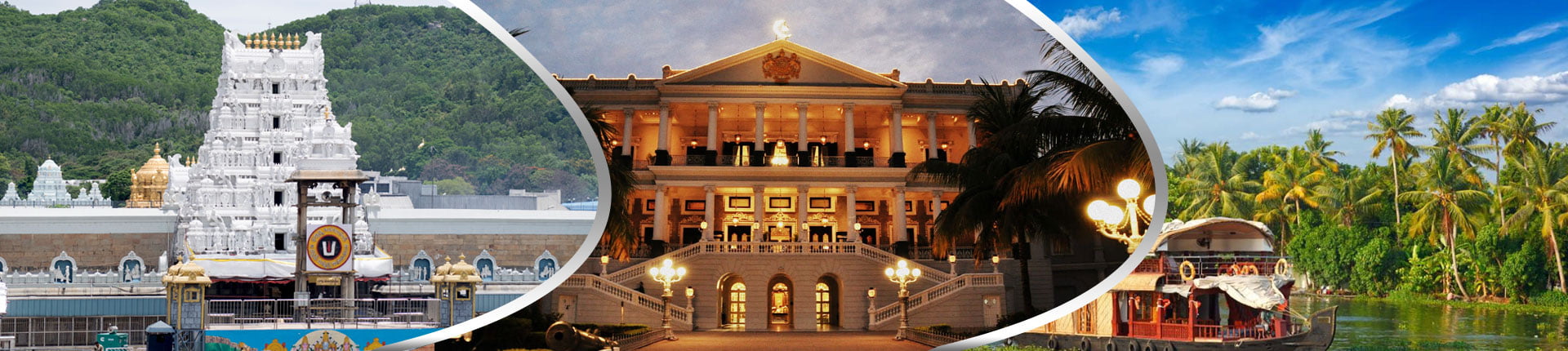
What Sophisticated Travelers Love About India
A curated portrait of the world’s most layered, luminous, and transformative travel destination
There is a particular kind of traveler. They are intellectually restless, culturally fluent, and allergic to the predictable. For them, India has become the journey of a lifetime. Not once, but repeatedly. They return to the subcontinent the way one returns to a great novel. Each reading yields new meanings, new emotional registers, and new rooms you had somehow missed before.
India disorients, then enchants. It overwhelms, then clarifies. In an age where so many of the world’s destinations have been smoothed and standardized into comfortable interchangeability, India remains defiantly, gloriously itself. India is ancient and electric, contemplative and chaotic, heartbreaking and transcendent all at once.
For the sophisticated traveler seeking experiential travel, India can offer something beyond beach clubs and business hotels. The Indian subcontinent presents an almost inexhaustible depth. This is not mass-market tourism. This is civilization as a destination.
Palace Hotels, Heritage Havelis, and the Art of Maharaja Hospitality
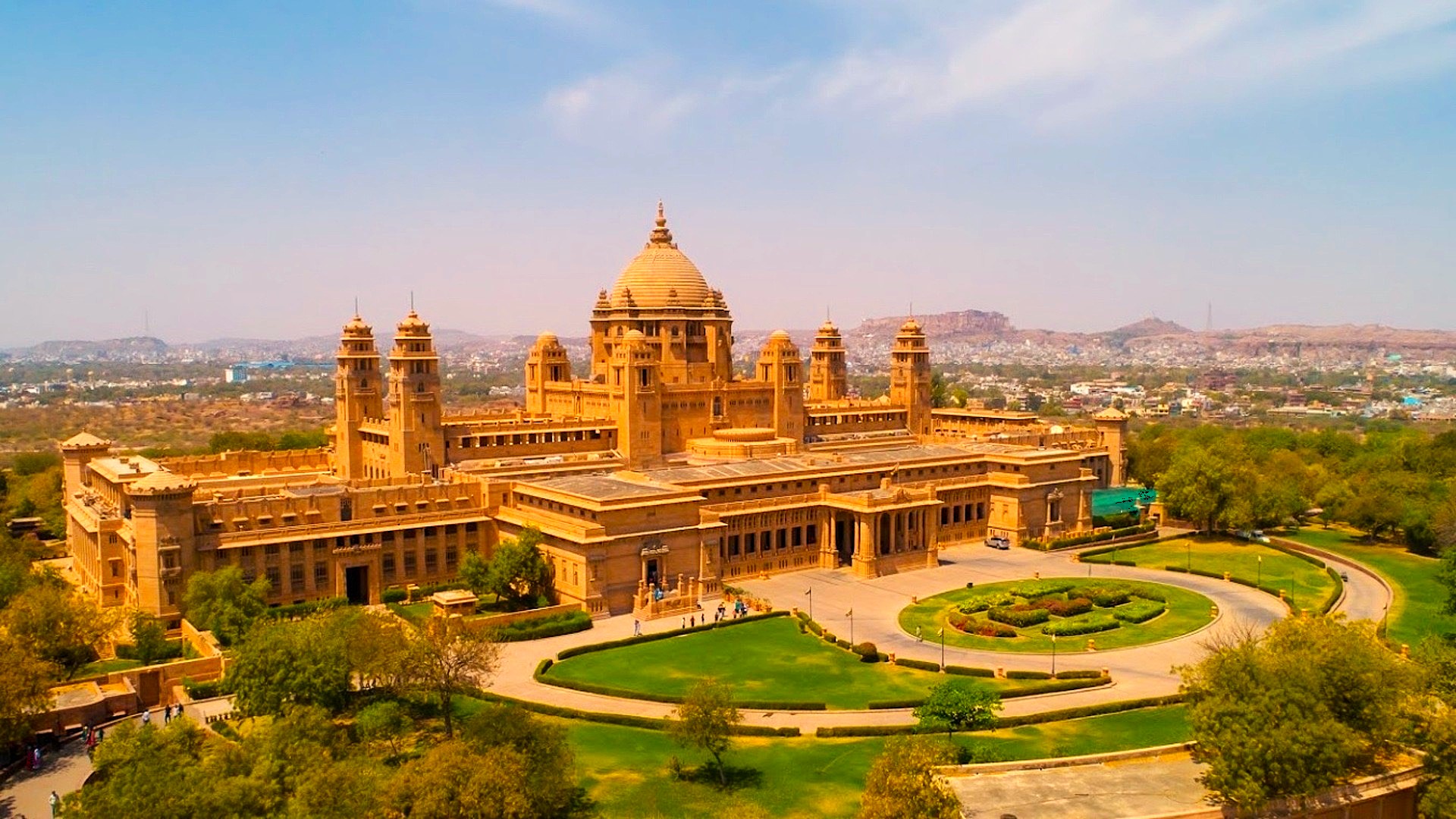
If there is one aspect of luxury travel India commands with unrivaled authority, it is the palace hotel. The Maharajas of Rajasthan, the Nizams of Hyderabad, and the rulers of Mysore have left behind an astonishing built legacy. They were patrons of art, architecture, and gastronomy on a scale. Today, many of their private palaces have been transformed into extraordinary heritage hotels. These hotels offer guests an experience that is not a recreation of royal life but an encounter with it.
At properties such as the Taj Lake Palace in Udaipur or the Umaid Bhawan Palace in Jodhpur, the luxury is inseparable from authenticity. You are not staying in a building resembling a palace. You are actually staying in an actual palace. Family portraits, original furniture, and the lingering intelligence of centuries of refined taste surround you.
The concept of Maharaja-style hospitality—atithi devo bhava, or ‘the guest is God’—is not a marketing slogan only. It is also a philosophical principle with roots in the Vedic tradition. At its finest, Indian luxury hospitality is attentive without intrusion, warm without presumption, and generous of spirit. These leave guests feeling genuinely cared for rather than merely serviced.
Destinations for Heritage Luxury
- Udaipur — The City of Lakes, where palaces rise from still water like fever dreams of marble and moonlight
- Jaipur — The Pink City, a living museum of Rajput architecture, royal cuisine, and artisanal craft
- Jodhpur—The Blue City, where the Mehrangarh Fort surveys a sea of indigo-washed houses
- Jaisalmer — The Golden City, rising from the Thar Desert like a sandstone mirage
- Mysore—The City of Palaces, where Wodeyar-era grandeur meets South Indian refinement
- Hyderabad—Where Nizam opulence and Mughal architecture define one of India’s most sophisticated cities
Wellness, Ayurveda, and the Transformative Power of Slow Travel
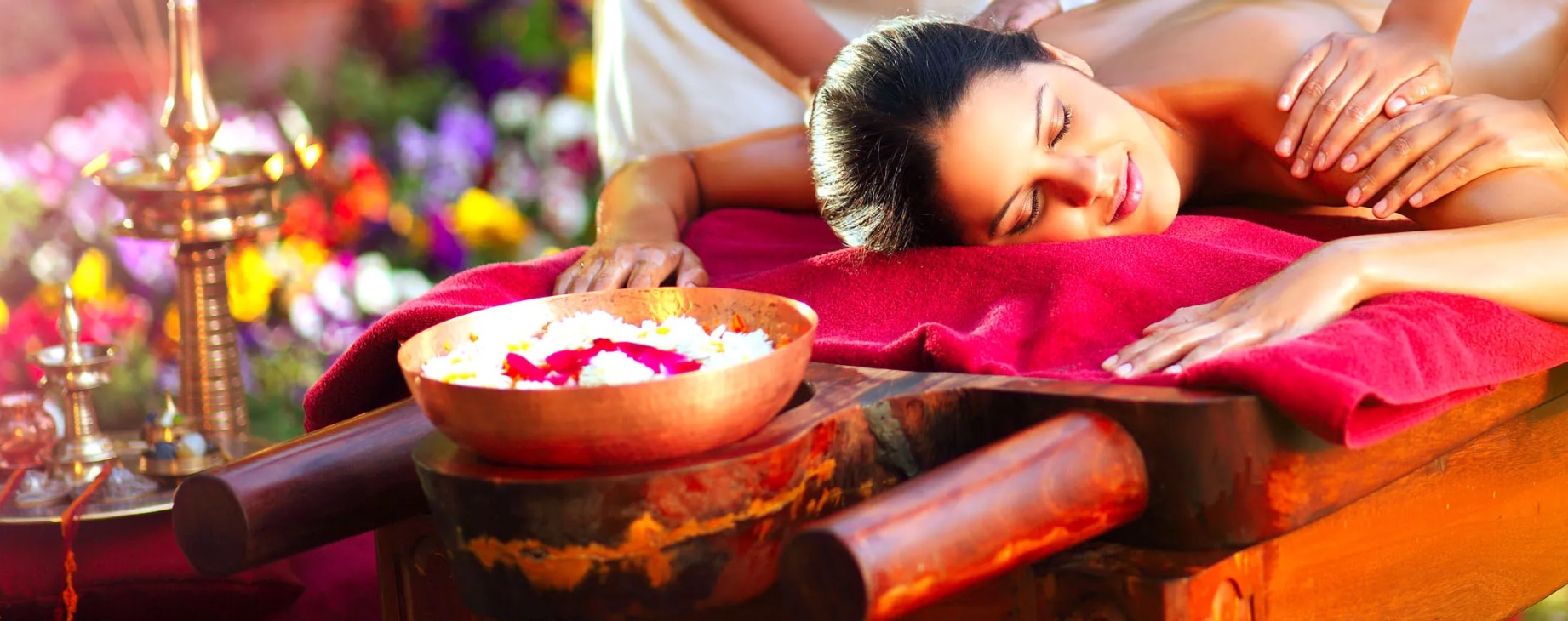
Long before ‘wellness tourism’ became a global industry, India had a 5,000-year-old medical and philosophical system. This system addressed the health of body, mind, and consciousness as an integrated whole. Ayurveda—the science of life—is not a spa treatment. It is a sophisticated diagnostic and therapeutic tradition. Ayurveda practitioners study for years, and they calibrate treatments to a patient’s unique constitution, or prakriti.
Kerala, the lush coastal state in India’s deep south, is the heartland of classical Ayurveda. What an Ayurveda retreat in Kerala offers is among the most genuinely restorative travel experiences available anywhere in the world. A properly prescribed two-week Panchakarma program—the deep detoxification and rejuvenation protocol—requires medical consultation, dietary protocols, and treatments administered by therapists trained in lineages that span generations.
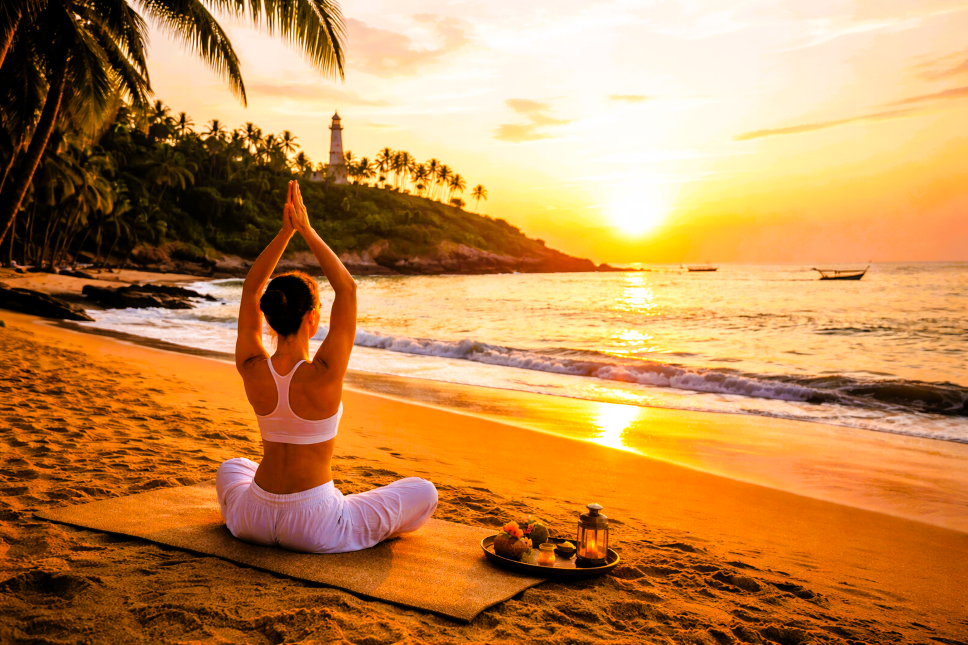
Beyond Ayurveda, wellness tourism in India encompasses a remarkable range of transformative modalities. The Himalayan foothills of Uttarakhand—particularly the area around Rishikesh and Uttarkashi—host meditation retreats and yoga ashrams of international renown. The distinction between genuine practice and commercial experience is important: India has both, and knowing which to choose requires local expertise.
For the sophisticated traveler, slow travel in India is perhaps the most rewarding philosophical approach. Rather than covering maximum geography, slow travel in India means choosing fewer places and engaging with them more deeply: learning a few words of the local language, attending the early morning ceremony at a local temple, taking cooking classes with a family, and walking where others would hire a car.
A Culinary Civilization: Eating India with Intelligence and Pleasure
The idea that Indian cuisine is essentially curry—spicy, rich, interchangeable—is as absurd as suggesting that European cuisine is essentially bread. The reality is a continent of entirely distinct regional traditions, each with its own ingredients, techniques, flavor philosophies, and historical context.
A culinary journey in India designed for the genuinely curious traveler would move through the fish-scented markets of Kolkata to the coconut milk curries of Kerala, the peanut-inflected vegetarian cooking of Gujarat, the tamarind-sharp rice dishes of Tamil Nadu, and the bread-centered, yogurt-rich cuisine of Punjab. Palace hotels offer an additional dimension: access to royal kitchen recipes that were, for centuries, the private property of ruling families.
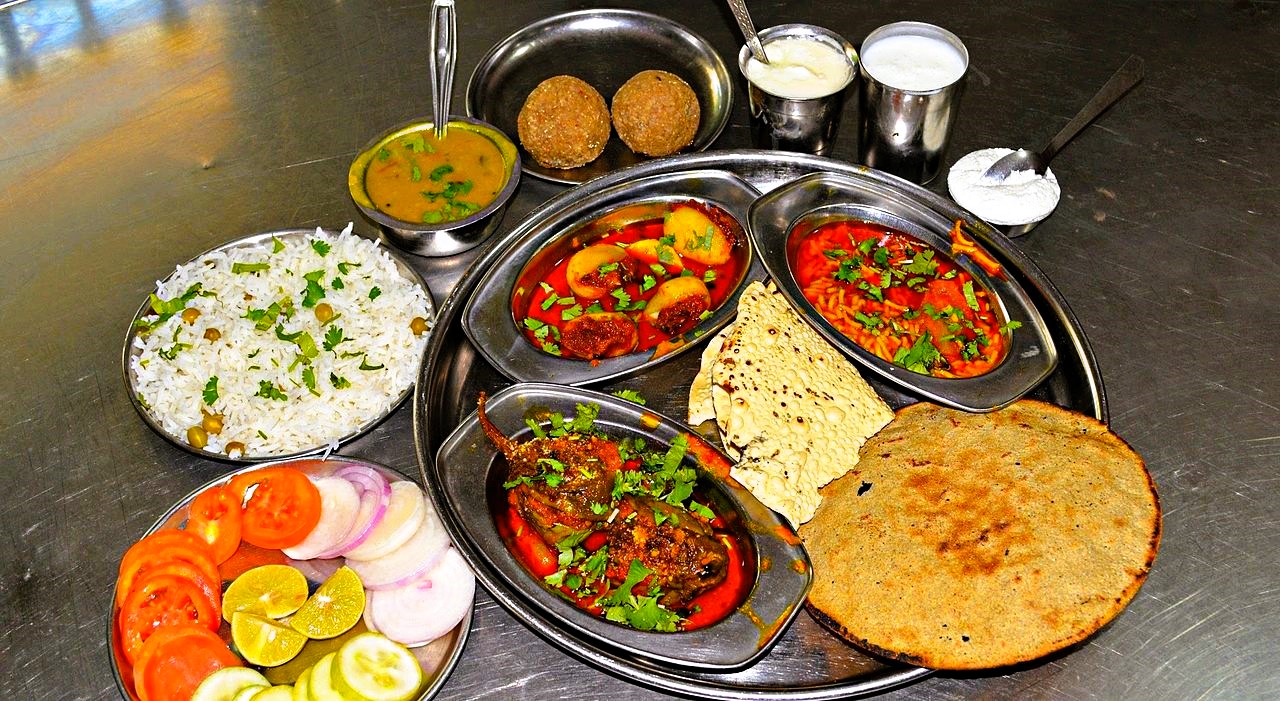
The tea and spice trails of India are equally compelling. The high-altitude gardens of Darjeeling produce some of the world’s finest teas: first-flush Darjeeling, harvested in spring, is as sought-after by serious tea collectors as first-growth Bordeaux is among wine connoisseurs. In Kerala’s Cardamom Hills, spice plantation tours reveal the extraordinary complexity of a landscape that once drove European exploration of the globe.
Wildlife and Wilderness: India’s Natural World Is Magnificent
India is a tiger country. It is also leopard country, elephant country, one-horned rhinoceros country, snow leopard country, and the country that shelters more species of birds. India has over 1,300 bird species—more than Europe and North America put together. For those who travel to connect with the natural world at its most compelling, India’s protected landscapes offer wildlife encounters of singular intensity.
The luxury tiger safari India experience has evolved considerably in recent decades. The finest private lodges in reserves such as Bandhavgarh, Kanha, Ranthambore, and Pench are no longer merely comfortable. They have exceptional designs and are ecologically responsible properties. They offer genuine expert guiding, small-group game drives, and an understanding of animal behavior and conservation that transforms a safari from a wildlife-spotting exercise into an education.
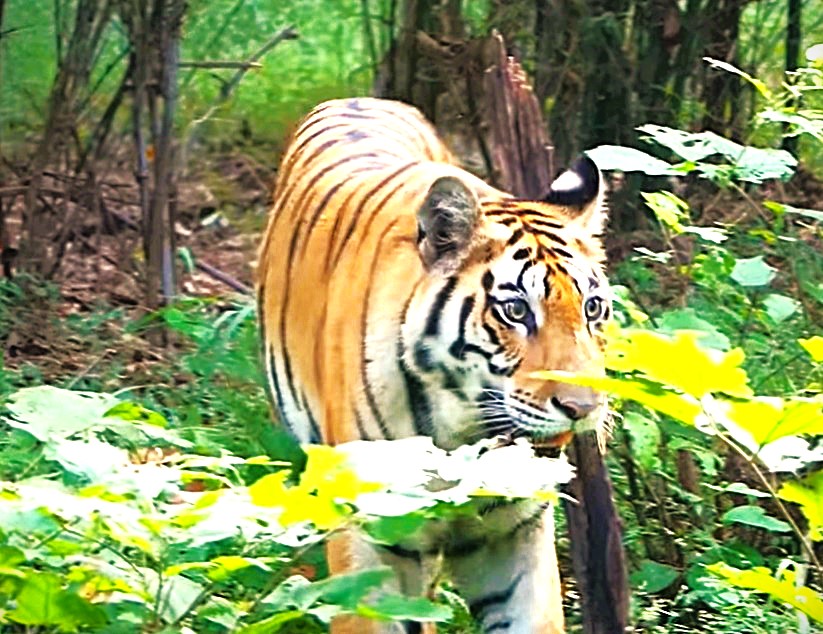
Ranthambore National Park in Rajasthan has the additional distinction of surrounding a magnificent 10th-century fort—allowing guests to combine a luxury Rajasthan tour with tiger safari experiences in a single, seamless itinerary.
Beyond tigers, India’s backwaters—particularly Kerala’s network of lagoons, canals, and lakes—offer a more contemplative form of wildlife immersion. Traveling by traditional rice-boat houseboat through the backwaters, guests encounter kingfishers, egrets, otters, and the quiet daily life of fishing communities, all at a pace gentle enough to feel like a form of meditation.
The desert landscapes of Rajasthan are best experienced under canvas: a luxury tented camp where the silence at night is so complete that it feels like a physical substance, and the stars are dense enough to cast shadows. The Rann of Kutch in Gujarat, a vast salt flat that floods and dries with the seasons, hosts one of the world’s great birding events at the Little Rann: the seasonal breeding of flamingos in numbers that stain the horizon pink.
The Human Dimension: Warmth, Hospitality, and Authentic Connection
Authentic travel experiences in India are deeply rooted in human connection. They are shaped by meaningful interactions—speaking with an artisan who shares the story behind a centuries-old craft, learning from a traditional cook how to recognize spices through their aroma, walking alongside a farmer through blooming saffron fields in Kashmir during harvest season, or listening to an elderly silk merchant in Varanasi passionately explain the intricate language of handwoven textiles to someone eager to understand.
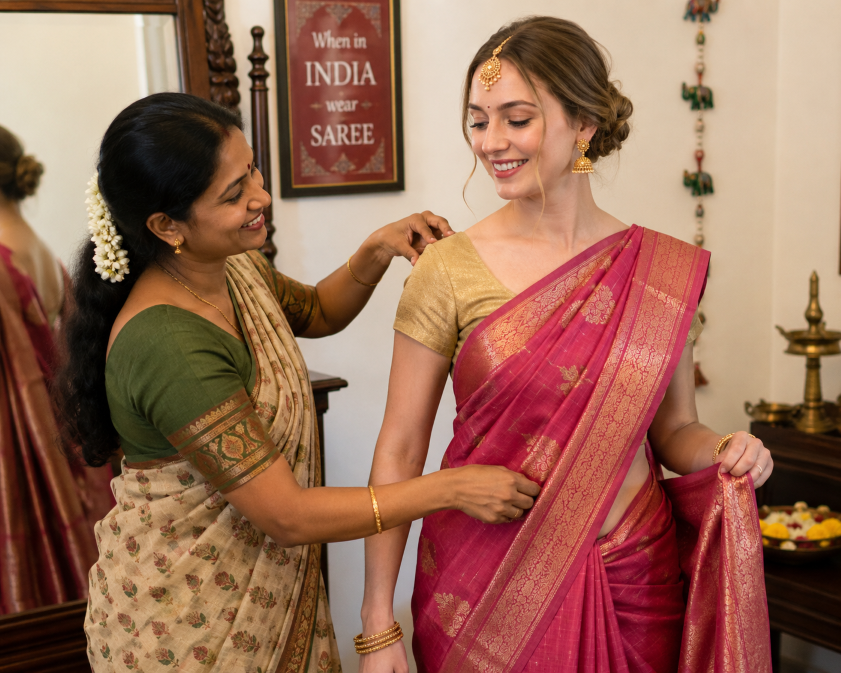
Women traveling with Excursion2India often find that their most indelible memories involve encounters with local women: learning to tie a sari, participating in a wedding ceremony, or sitting in a courtyard late at night while a Rajasthani grandmother sings songs her grandmother taught her.
Couples returning from an Indian honeymoon frequently report that the experience was more transformative than any other journey they have made, because India operates on all levels simultaneously: aesthetic, intellectual, emotional, and deeply personal.
Photography, Art, and the Visual Feast of India
India is, for many travelers, the most photographically rewarding country on earth. Not because it is picturesque in the way that Provence is picturesque—composed, curated, easily framed—but because it presents itself with such extravagant visual abundance that every hour of travel offers something genuinely arresting.
Photography tours in India have developed into a specialist discipline for good reason. The quality of light in Rajasthan during the golden hour, falling across terracotta walls and turquoise doorways; the chromatic intensity of a South Indian temple festival; the pale pre-dawn mist over the Ganges at Varanasi; the geometries of Kerala’s paddy fields from above—these are not the subjects of casual snapshots but of serious photographic work.
Luxury Train Journeys: India from the Carriage Window
India’s luxury train journeys offer a form of travel that has almost disappeared from most of the world: the slow, luxurious, landscape-absorbing rail experience, conducted in carriages of genuine elegance and accompanied by meals and service of the highest standard.
The Maharajas’ Express is widely regarded as one of the finest trains in the world, and rightly so. Designed with carriages that reflect different periods of Rajput and Mughal aesthetics, it connects India’s greatest heritage sites—Delhi, Agra, Jaipur, Udaipur, Jodhpur, and Ranthambore—in a week-long itinerary that feels like a moving palace.
The Palace on Wheels, operating out of Jaipur, offers a similar experience on a slightly more intimate scale, passing through the landscape of Rajasthan at a pace that allows genuine absorption. The Deccan Odyssey covers Maharashtra and Goa, revealing coastal India’s less-visited heritage sites with the added pleasure of sea air and Portuguese colonial architecture.
Spiritual India: Journeys of Depth and Meaning
India is the birthplace of four of the world’s major religions—Hinduism, Buddhism, Jainism, and Sikhism—and the adopted home of several more. For travelers drawn to spiritual travel, India offers something almost unique in the world: a civilization where the sacred and the everyday are not separated but woven together in a continuous living fabric.
Varanasi, on the banks of the sacred Ganges, is India’s holiest city and one of the oldest continuously inhabited cities on earth. To arrive by boat at dawn, as the ghats come slowly into focus through morning mist and the sound of bells and Sanskrit prayer drifts across the water, is to experience something that even the most secular traveler finds profoundly moving.
The Buddhist circuit — connecting Bodh Gaya (where the Buddha attained enlightenment), Sarnath (where he gave his first teaching), Kushinagar (where he died), and Lumbini in nearby Nepal — is a pilgrimage route of extraordinary significance, navigated annually by Buddhists from Japan, Korea, Sri Lanka, Thailand, and increasingly by secular travelers drawn by the historical and philosophical weight of these places.
The Golden Temple at Amritsar—the holiest shrine of Sikhism—is among the most genuinely peaceful places on earth. The temple is open to all, at all hours. The community kitchen serves free meals to 100,000 people a day, regardless of religion, caste, or nationality.
Planning Your India Journey: What the Discerning Traveler Should Know
Best Time to Visit India
India’s climatic diversity means that different regions reward travel at different times of year. The broad principle for most of North India — including the luxury Golden Triangle tour circuit and Rajasthan — is that October through March offers the most comfortable conditions: clear skies, cool evenings, and the extraordinary quality of winter light that photographers travel specifically to capture.
Kerala is best visited between October and February, when the monsoon has retreated and the landscape is impossibly green. The monsoon season itself—roughly June to September—is when traditional Ayurveda practitioners consider the climate most conducive to deep Panchakarma treatment, and a number of high-quality retreats offer monsoon-specific wellness programs at significantly reduced rates.
For luxury tiger safari India experiences, the prime viewing window in most central Indian reserves is March to June: the vegetation thins, water sources concentrate wildlife, and tiger sightings are more frequent. Ranthambore operates year-round except for the monsoon closure period.
Practical Considerations for International Travelers
For Australians traveling to India, there are direct flights available. For Europeans there are direct flights available from Munich, Zurich, Amsterdam, London, Helsinki, and Istanbul. They can also benefit from excellent onward connections through Dubai, Doha, and Abu Dhabi. The American cities of San Francisco, New York, and others are connected by direct flights to India. They can also use onward connections through Dubai, Doha, Abu Dhabi, and Istanbul.
Safe luxury travel in India is largely a function of planning, local knowledge, and the quality of your ground arrangements. At the level of private India travel, with dedicated vehicles, experienced guides, and well-vetted properties, the experience is smooth, secure, and frequently revelatory. The key—and this cannot be overstated—is working with people (like Excursion2India) who actually know the country rather than those who simply distribute brochures about it.
Why Travelers Choose Excursion2India
The difference between a generic tour and a genuinely transformative India journey lies almost entirely in the quality of curation. Local knowledge and human relationships that underpin the customized tours make them unique. Excursion2India works on the understanding that a sophisticated traveler deserves more than a well-decorated itinerary. Travelers deserve a journey that reflects their specific intellectual and aesthetic sensibilities, their physical preferences, and their desire to engage with India at a level of genuine depth.
What Distinguishes Excursion2India
- Deep destination knowledge—our team has spent decades building relationships with the finest hotels, most respected local guides, and most interesting private access experiences across India
- Bespoke itinerary design—every journey is conceived from scratch, in conversation with the traveler, to reflect their specific interests and pace
- Seamless private travel—dedicated vehicles, expert drivers, and guides who are specialists rather than generalists
- Intelligent pacing—curated India itineraries designed with deliberate spaces for stillness, spontaneity, and genuine absorption rather than relentless movement
- Cultural intelligence—a profound respect for India’s diversity and complexity. This reflects in how we introduce travelers to local communities, customs, and contexts
- Committed support—responsive, experienced travel managers available throughout your journey
FAQs: India for Sophisticated Travelers
Q1. What makes India suitable for luxury and sophisticated travel?
India offers an unparalleled combination of ancient heritage, living culture, world-class palace hotels, extraordinary wildlife, refined wellness traditions, and a level of authentic human warmth. The country’s diversity means that no two curated India itineraries need to resemble each other. For travelers seeking experiential depth alongside genuine physical comfort, India is simply unrivaled.
Q2. What is the best time to visit India for an upscale trip?
For most regions of North and Central India—including the Golden Triangle, Rajasthan, and the tiger reserves—October through March is ideal. South India (Kerala, Tamil Nadu, and Karnataka) is best from October to February. For Ladakh and Himalayan destinations, the summer window of June to September is most accessible. It is a belief that Ayurveda retreats in Kerala are most effective during the monsoon months.
Q3. Is India safe for luxury travelers?
India is very safe for luxury travelers who travel with well-organized private arrangements. At the level of private India travel—with reputable drivers, established hotels, and experienced ground teams—the experience is smooth and secure. Safe luxury travel in India is, above all, a function of planning.
Q4. Is India a good destination for women traveling independently or in groups?
India is an excellent destination for women travelers when they plan the journey thoughtfully. Many women who travel with Excursion2India cite their Indian journeys as among the most empowering and culturally enriching experiences of their lives. The key elements are careful accommodation selection, experienced female guides where preferred, private transportation, and awareness of regional cultural norms.
Q5. What is the difference between a standard India tour and a customized India tour?
A standard India tour follows a fixed itinerary shared with other travelers. It typically involves moving at a predetermined pace through the most popular sites. A customized India tour—what Excursion2India designs—is conceived entirely around the individual traveler. It involves their interests, pace, aesthetic sensibilities, dietary preferences, and the specific kind of experience they are seeking. Private India travel of this kind is not necessarily dramatically more expensive than group travel. But the difference in depth, quality, and personal resonance is significant.