An early morning
Morning prayers
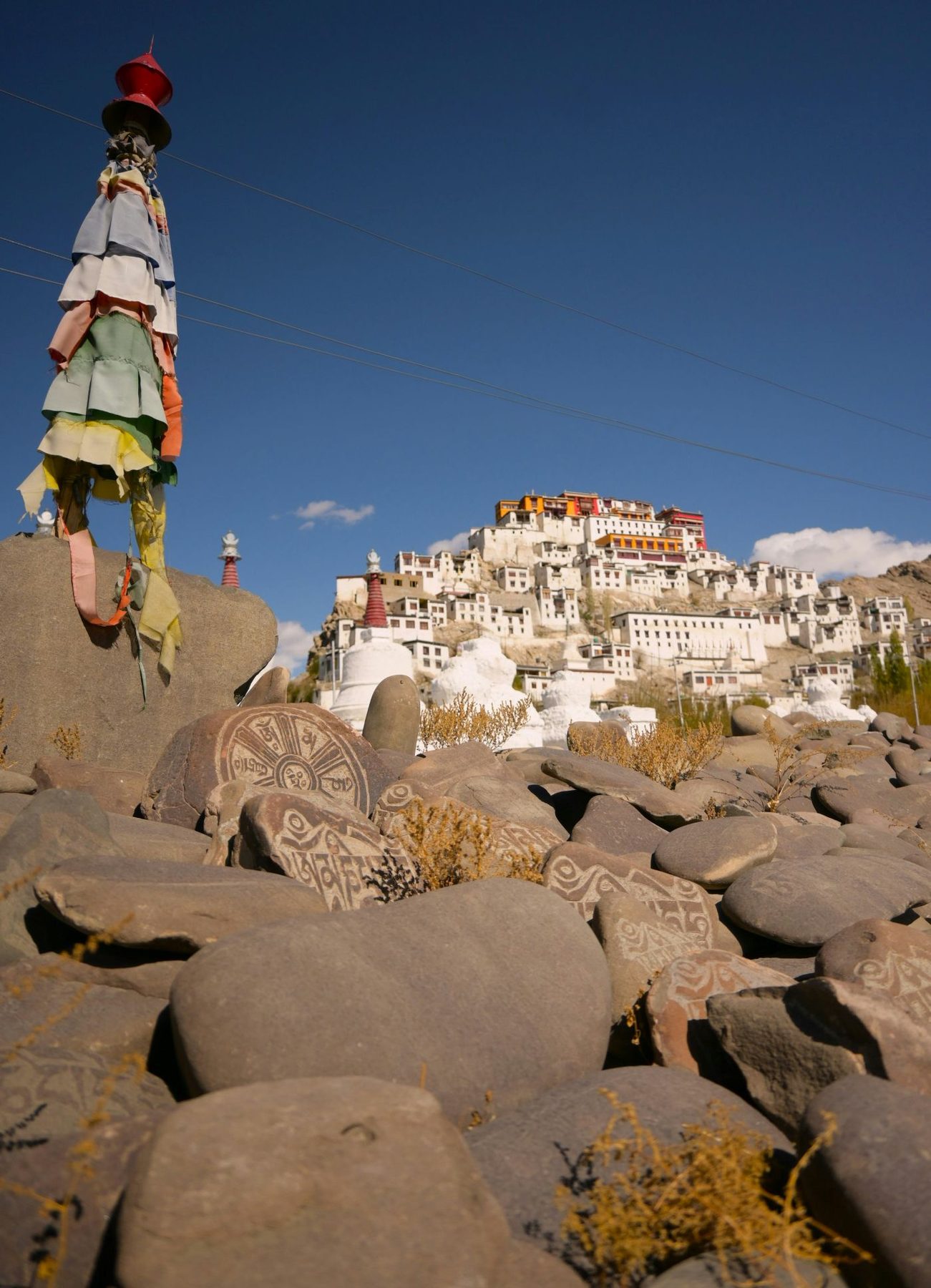
Sit quietly at the back of the assembly hall at Thiksey or another monastery as the monks chant, with long horns, drums and butter tea served during the prayers.

Leh · Indus Valley · Nubra · Pangong Tso · Sham Valley
Wake to the sound of monastery horns above the Indus, cross mountain passes strung with prayer flags, watch the light change on Pangong Tso and stay in heritage houses and fine camps, on a journey paced for the altitude and designed entirely around you.
Discover Ladakh, the land of high passes
Ladakh is India at its most elemental: clear mountain light, whitewashed monasteries on rocky spurs, green villages beside glacial streams and some of the most dramatic high roads on earth.
Ladakh lies in India’s far north, between the Karakoram and the Great Himalaya, in the rain shadow of the high mountains. Its name is usually translated as “land of high passes”. For centuries it stood on caravan routes linking South Asia with Tibet and Central Asia, and Tibetan Buddhism has shaped its culture, architecture and festivals. The Indus river runs through its heart, and most villages are oases of barley fields, willows and apricot trees in an otherwise high, dry landscape.
The administrative centre, Leh, is the gateway for most journeys, with flights from Delhi and other Indian cities. With Excursion2India, you discover Ladakh on a private journey paced for the altitude and designed around your interests, which can also become part of a longer trip through India, Nepal or Bhutan.
The route, at altitude
Our Ladakh Enlightenment Tour begins gently in Leh, follows the Indus to its great monasteries, crosses the mountains to Nubra and Pangong Tso, and ends in the quieter villages of the Sham Valley. The profile below shows how high you sleep and the passes you cross along the way. It is a sample, not a fixed package: we can change the order, the pace or the places.
Where you stay (approximate altitude)Mountain passes you cross by road
I · Leh
Around 3,500 metres
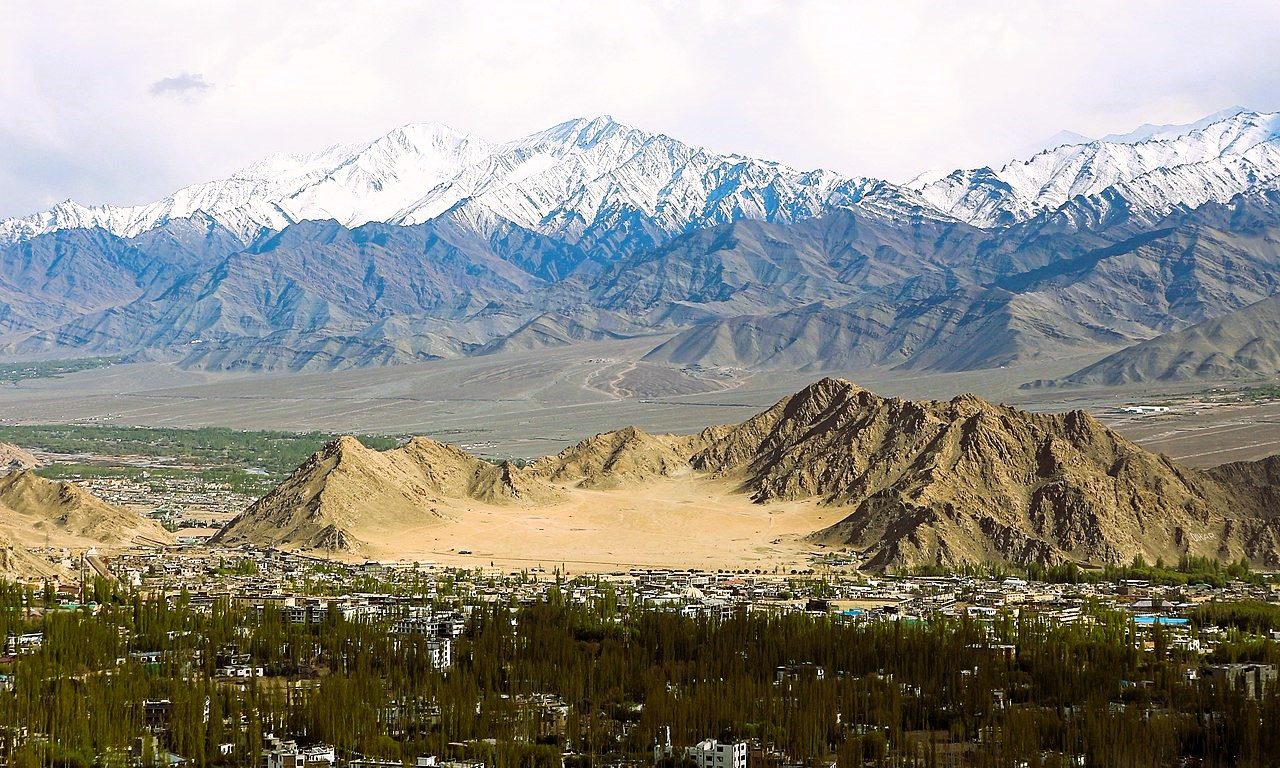
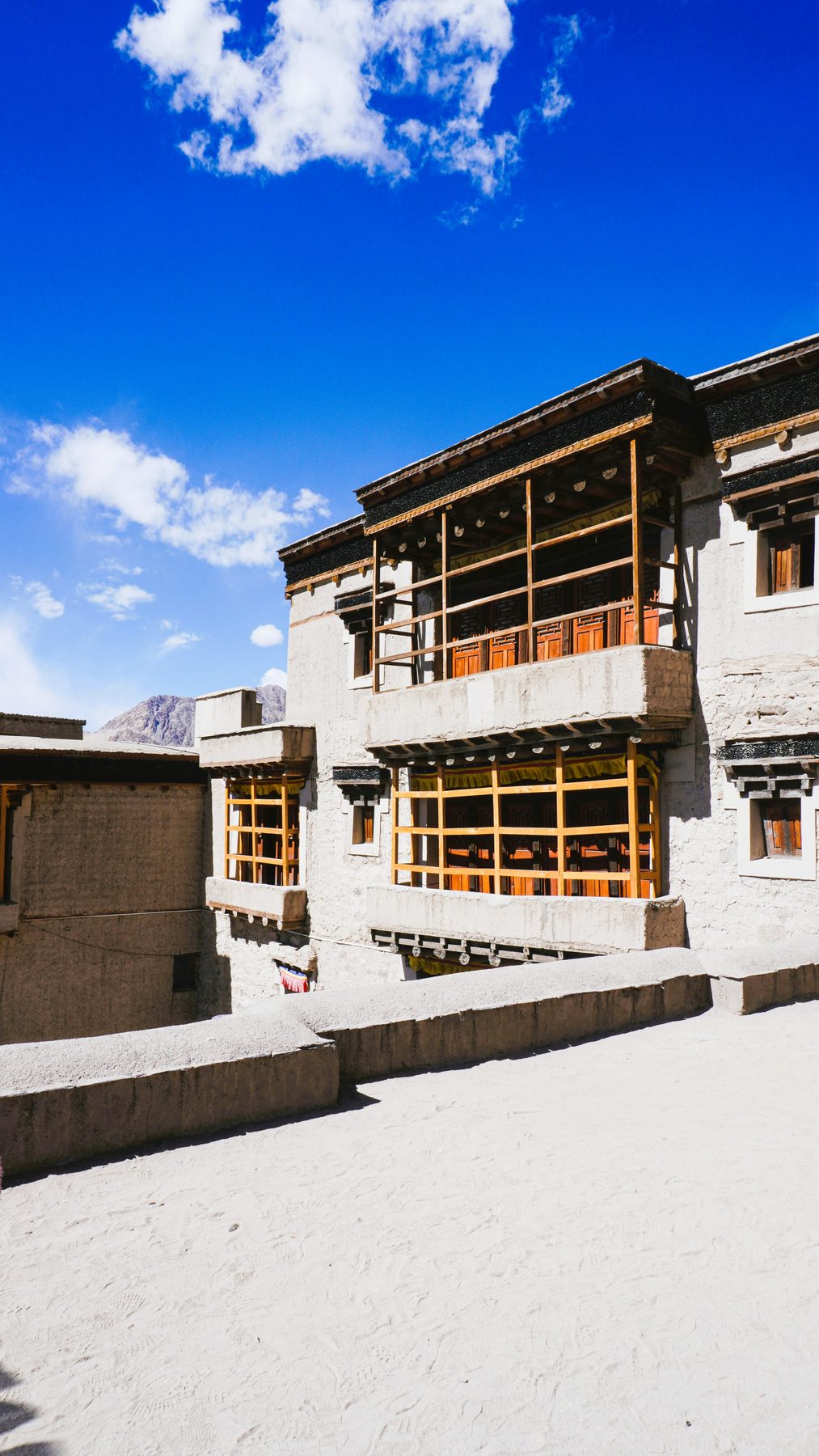
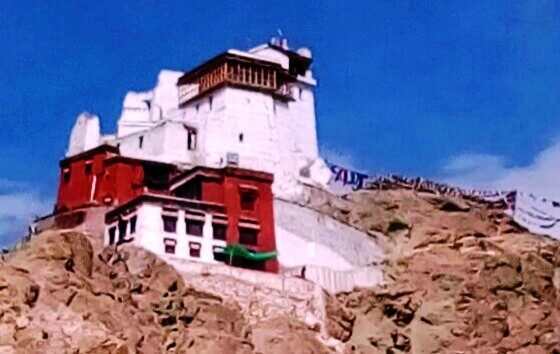
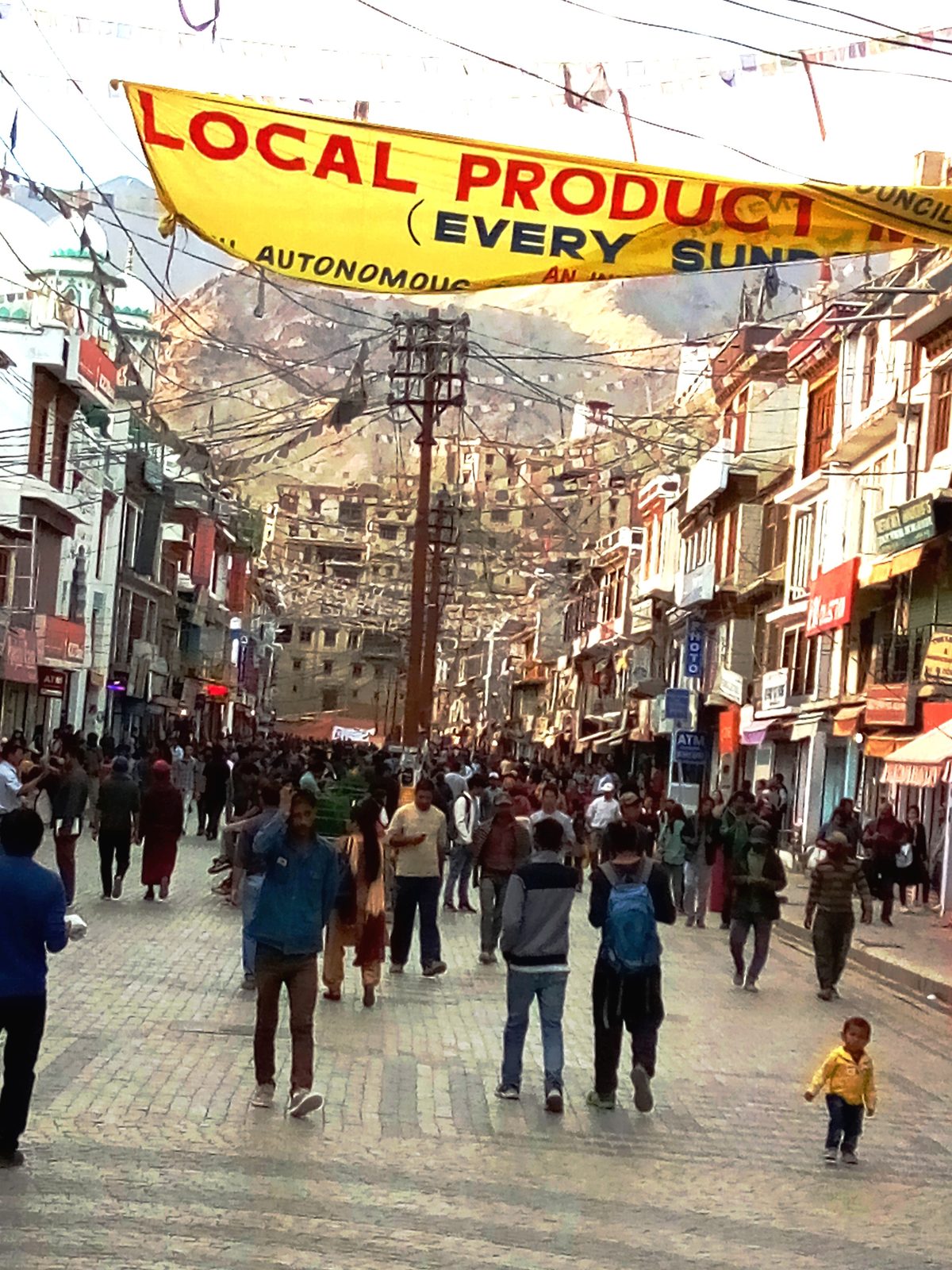
Leh grew as a trading town where caravans from Tibet, Kashmir and Central Asia met, and the former royal palace still rises above the lanes of the old town. The nine-storey Leh Palace, built in the 17th century, looks out over the town and the Indus Valley to the snow peaks of the Stok range. Above it stands the Namgyal Tsemo monastery, and across the valley the white Shanti Stupa is one of the best places to watch the evening light.
Your first two days here are deliberately gentle. After the flight up from the plains, the body needs time to adjust, so we plan rest, short walks through the old town and the bazaar, a cup of butter tea or apricot juice, and visits that involve little climbing. It is a good moment to meet your guide and talk through the days ahead.
II · The Indus Valley
Day trips from Leh
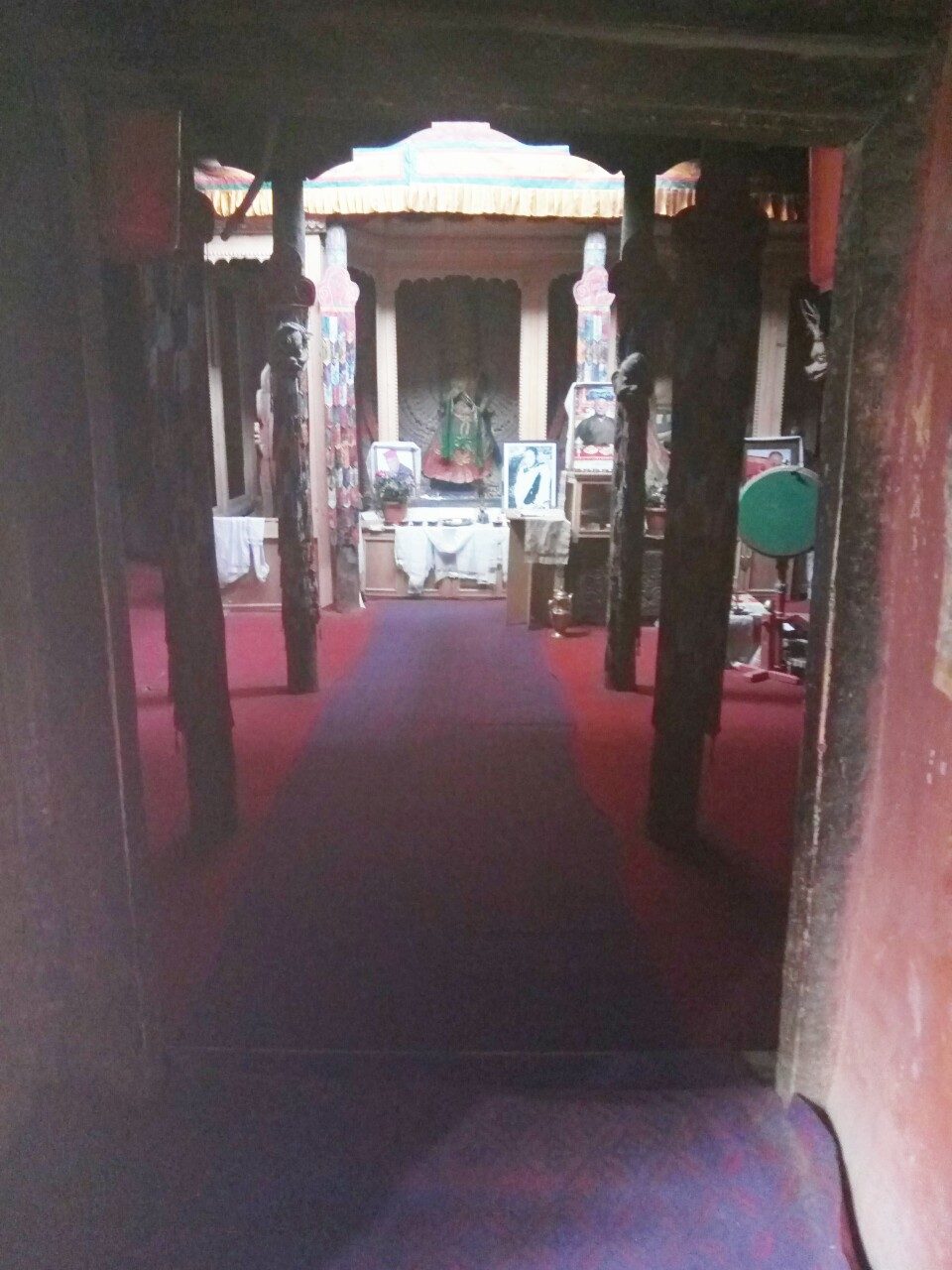
Upstream from Leh, the Indus Valley is lined with some of Ladakh’s most important Buddhist monasteries, known locally as gompas. Thiksey climbs a hillside in tiers of white buildings and is a wonderful place to watch the monks’ early-morning prayers, with chanting, horns and cymbals in the assembly hall. Close by, the old royal palace at Shey houses a great seated Buddha.
Further along the valley, tucked into a side gorge, Hemis is one of the largest and best known monasteries in Ladakh. Every summer, usually in June or July, it hosts the Hemis Tsechu festival, honouring Guru Padmasambhava with masked cham dances in the monastery courtyard. Throughout the year, the monasteries’ murals, statues and thangka paintings offer a remarkable introduction to Tibetan Buddhist art.
Festival dates follow the Tibetan lunar calendar and change each year. If you would like to time your journey to the Hemis festival, we confirm the dates when we plan your trip.
III · Nubra Valley
Around 3,100 metres · via Khardung La
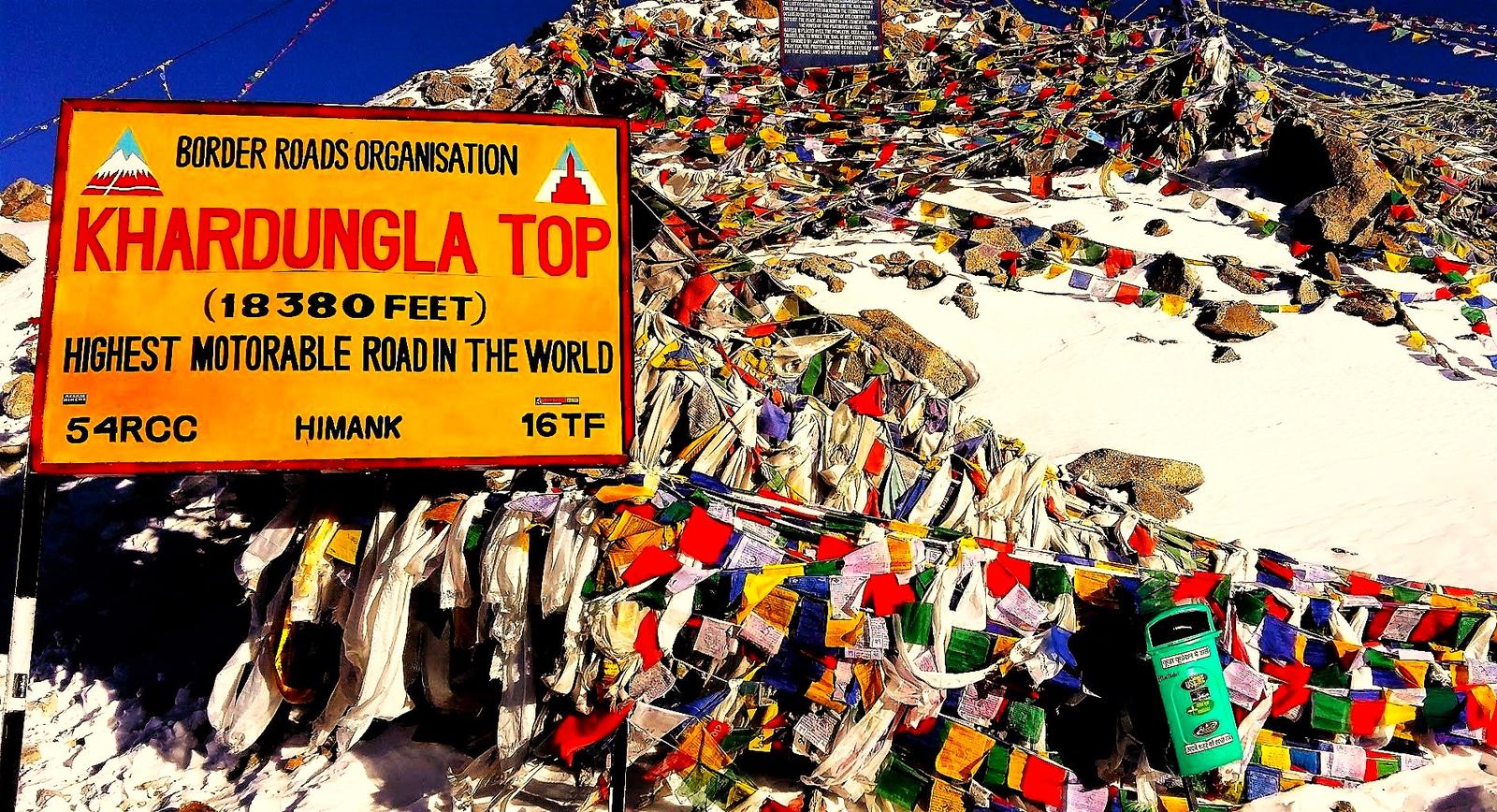
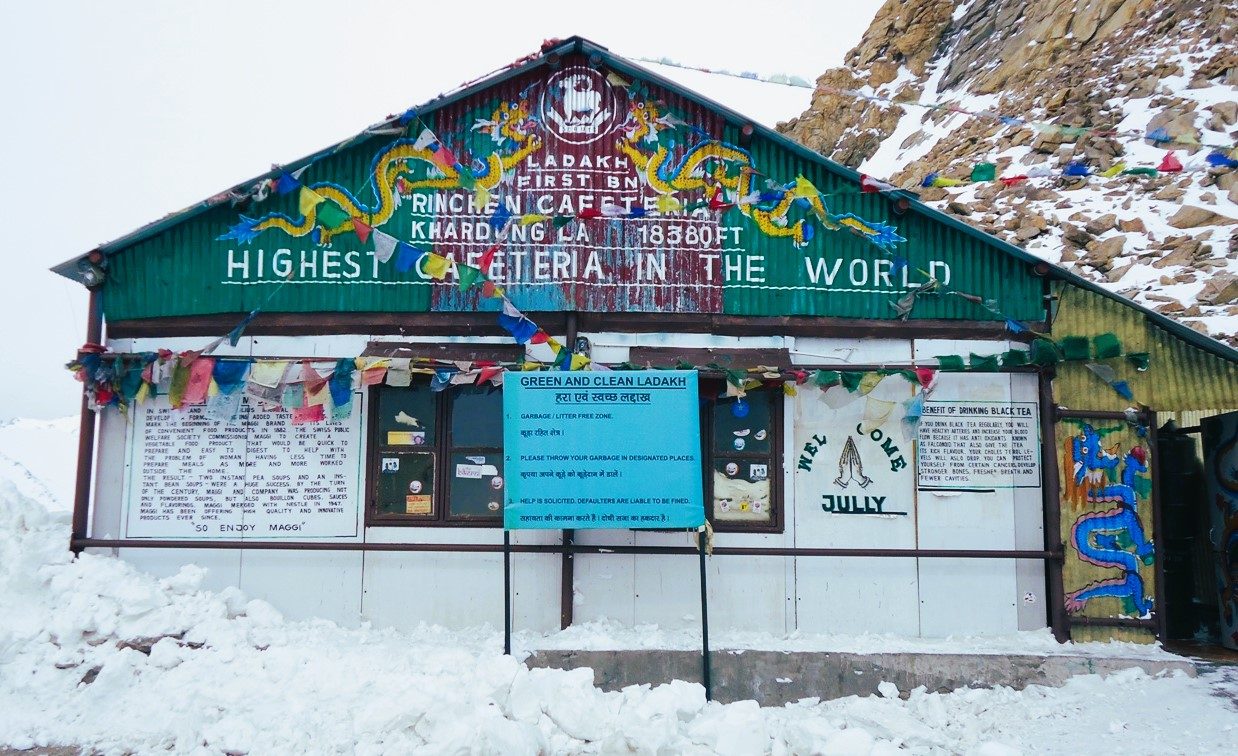
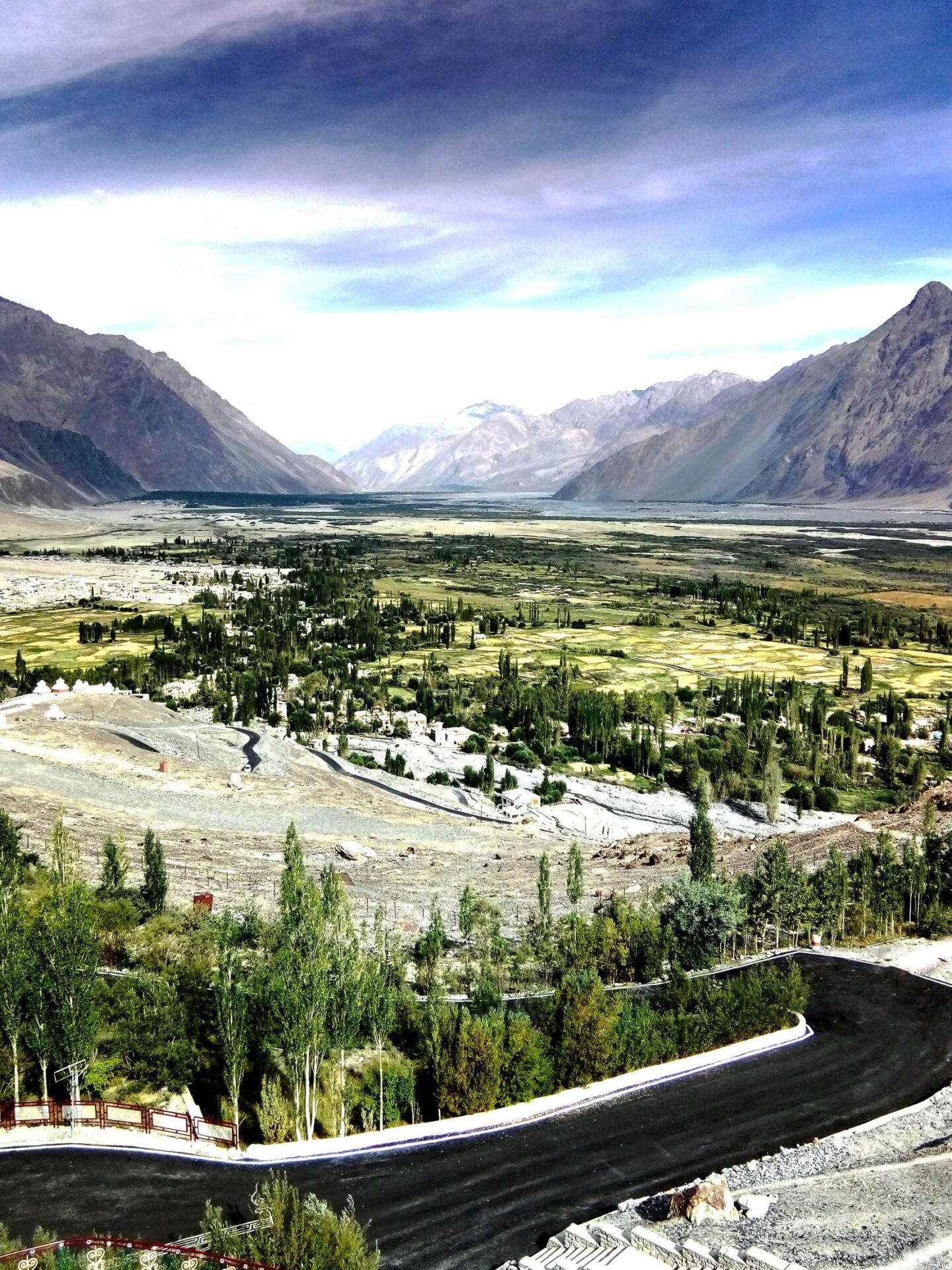
The road north from Leh climbs in long switchbacks to Khardung La, one of the highest road passes in the world at well over 5,000 metres, its summit draped in prayer flags. On the far side it descends into Nubra, a broad valley where the Shyok and Nubra rivers flow beneath the peaks of the Karakoram, once a stage on the caravan routes towards Central Asia.
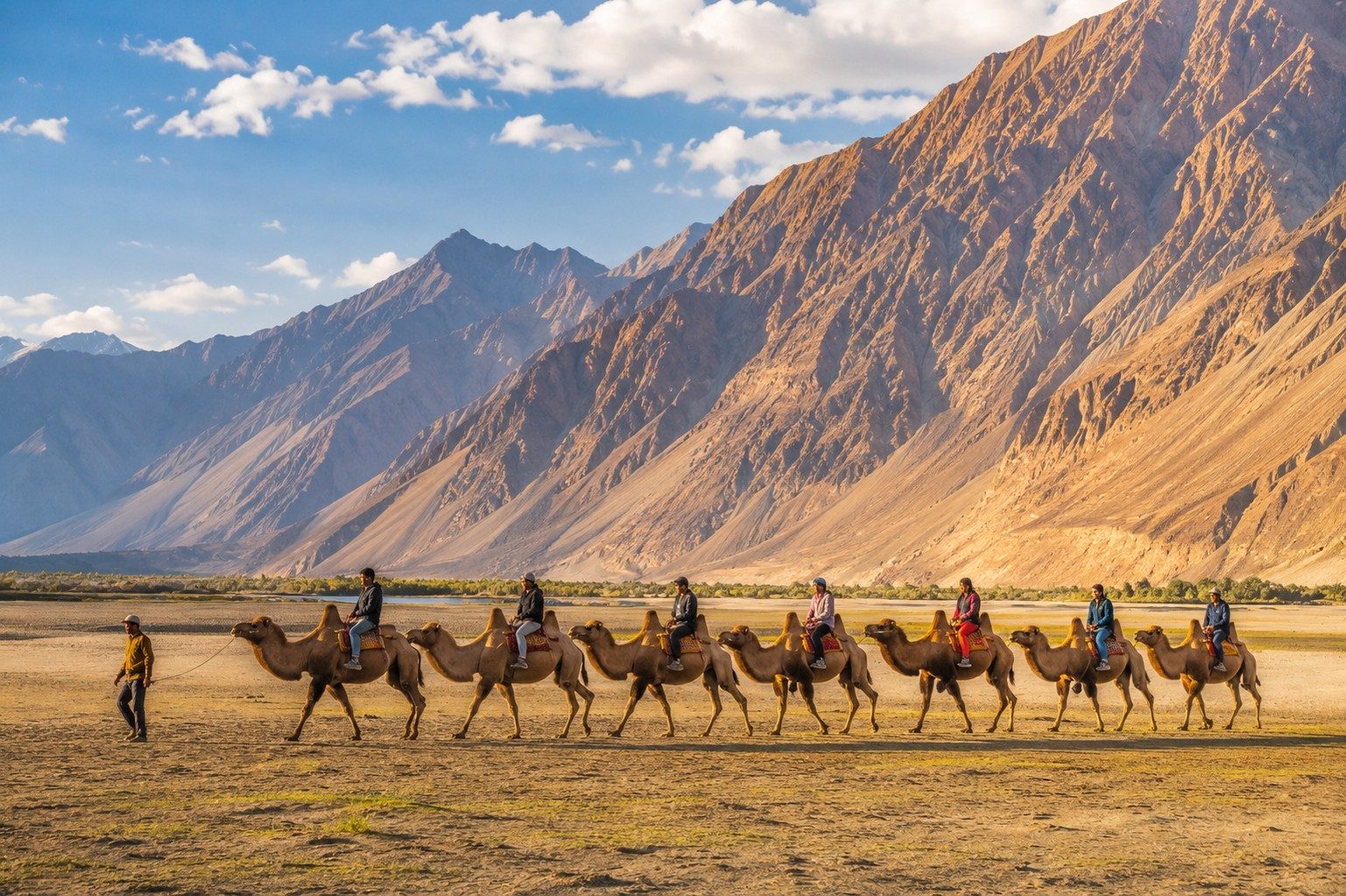
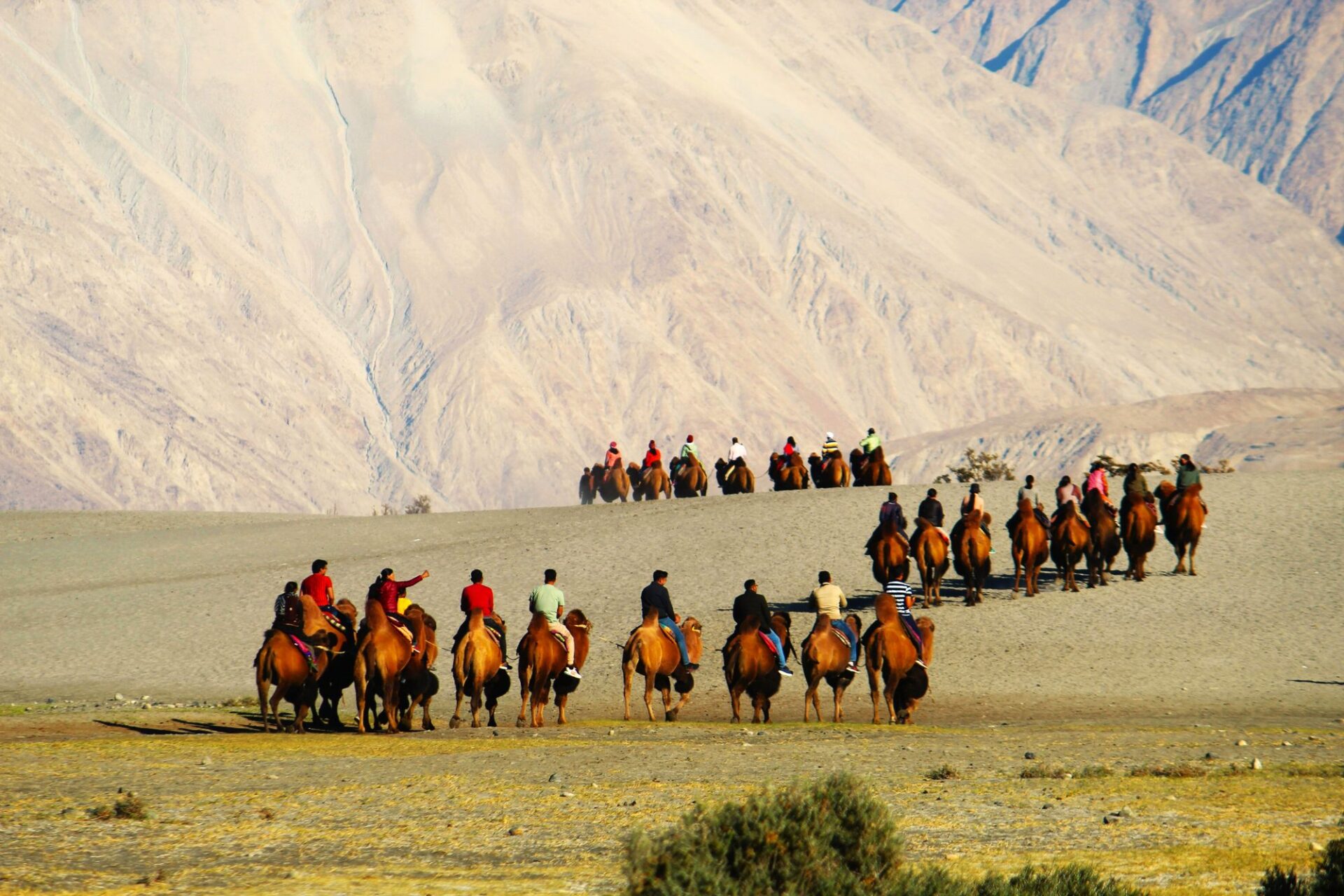
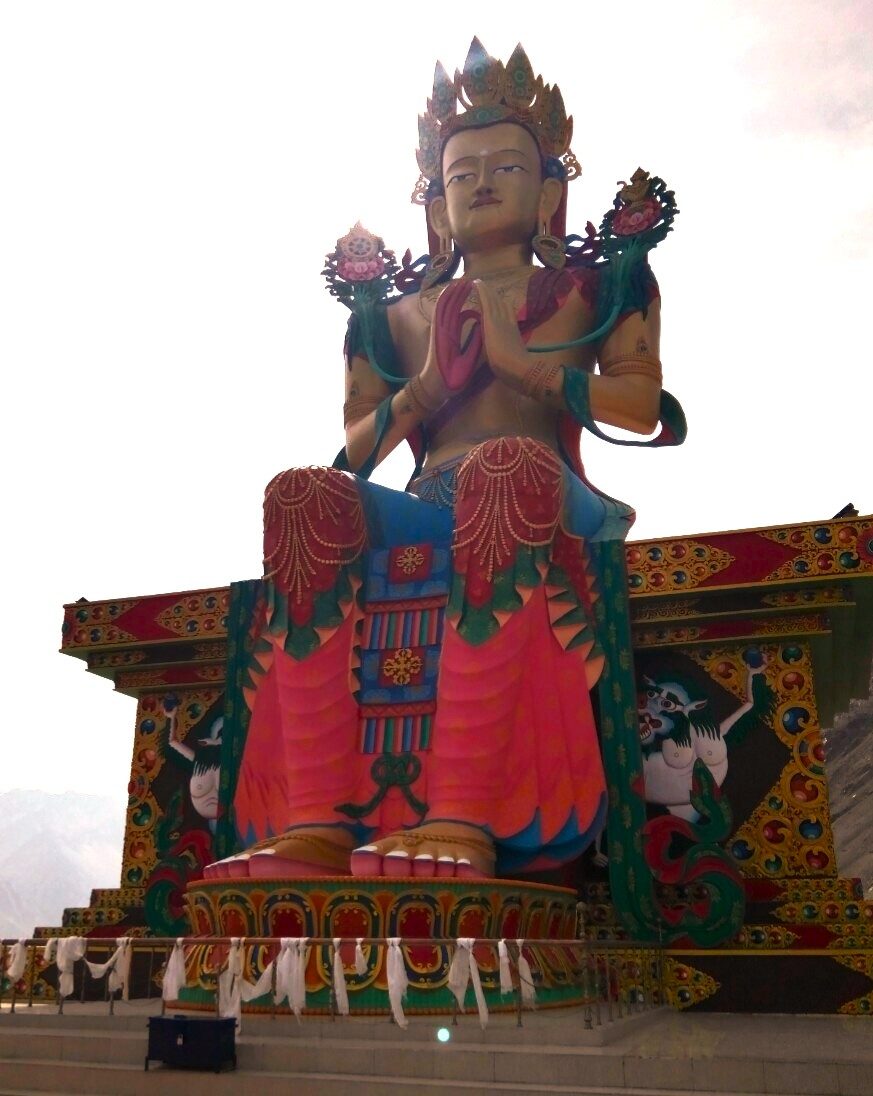
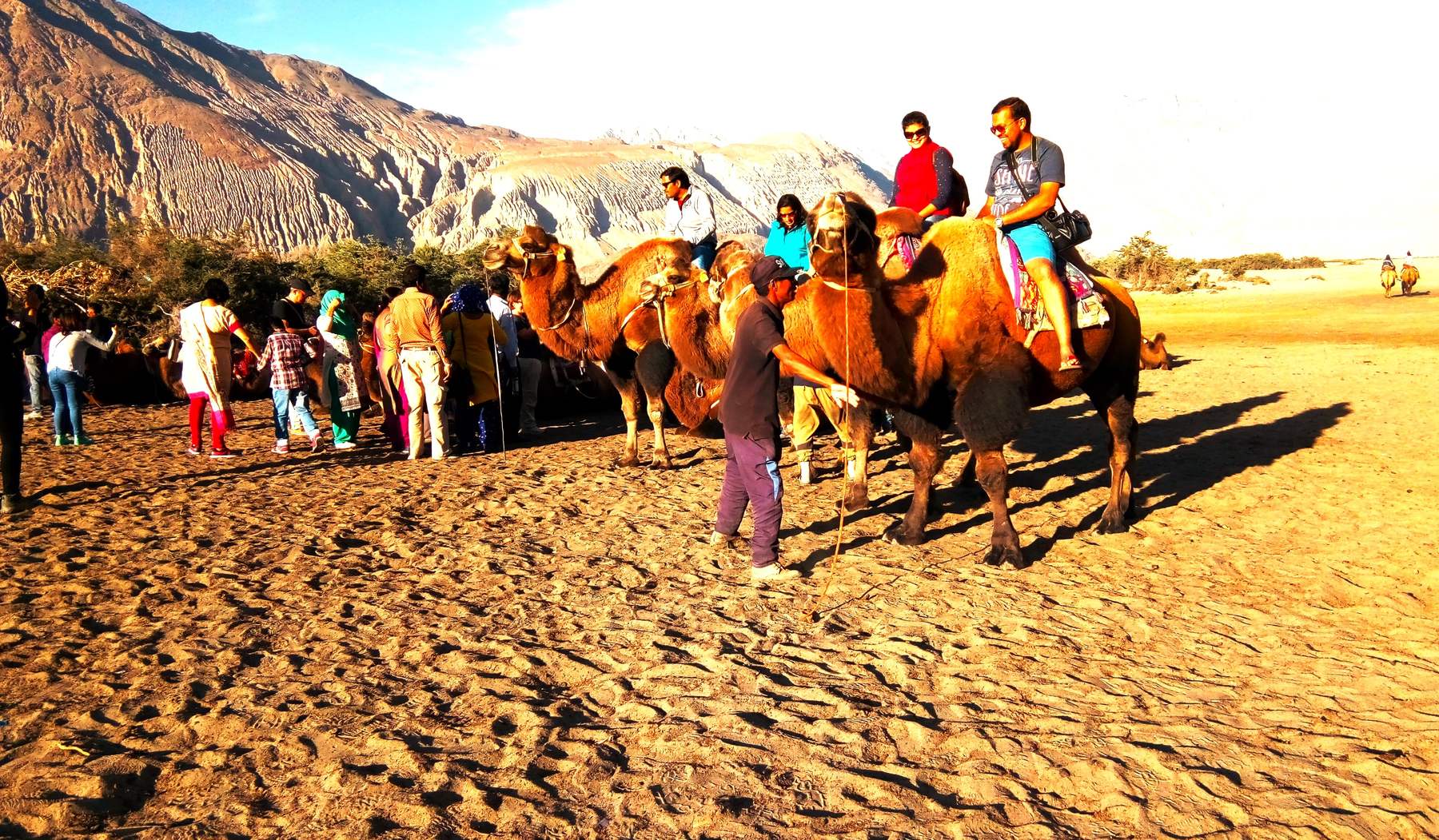
At Diskit, the valley’s oldest and largest monastery overlooks a giant statue of Maitreya, the future Buddha. Near Hunder, sand dunes lie unexpectedly between the mountains, and double-humped Bactrian camels, descendants of the caravan animals, can be ridden at sunset. With an extra day, the road continues west to Turtuk, a Balti village of apricot orchards and stone houses in the Shyok Valley.
IV · Pangong Tso
Around 4,250 metres
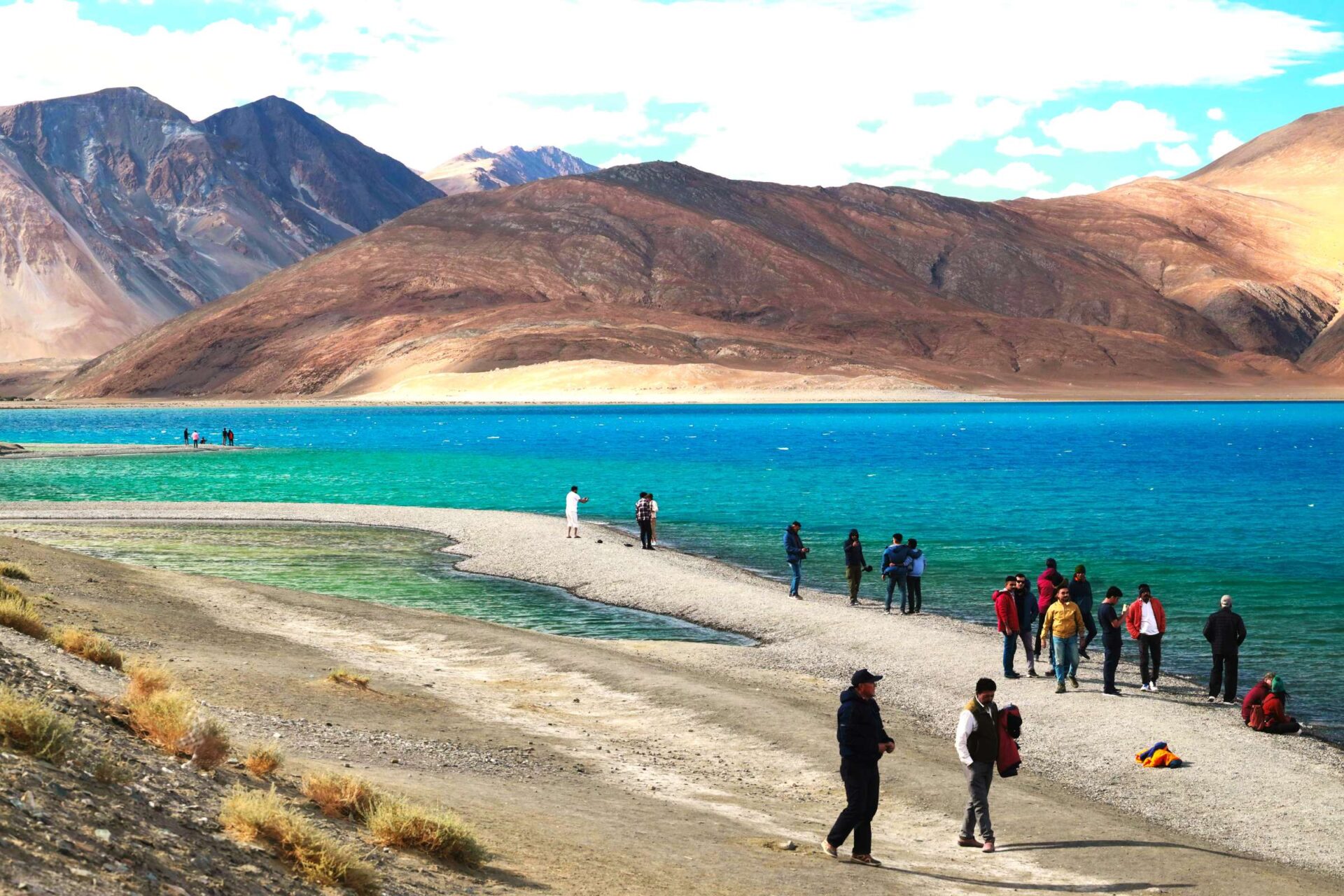
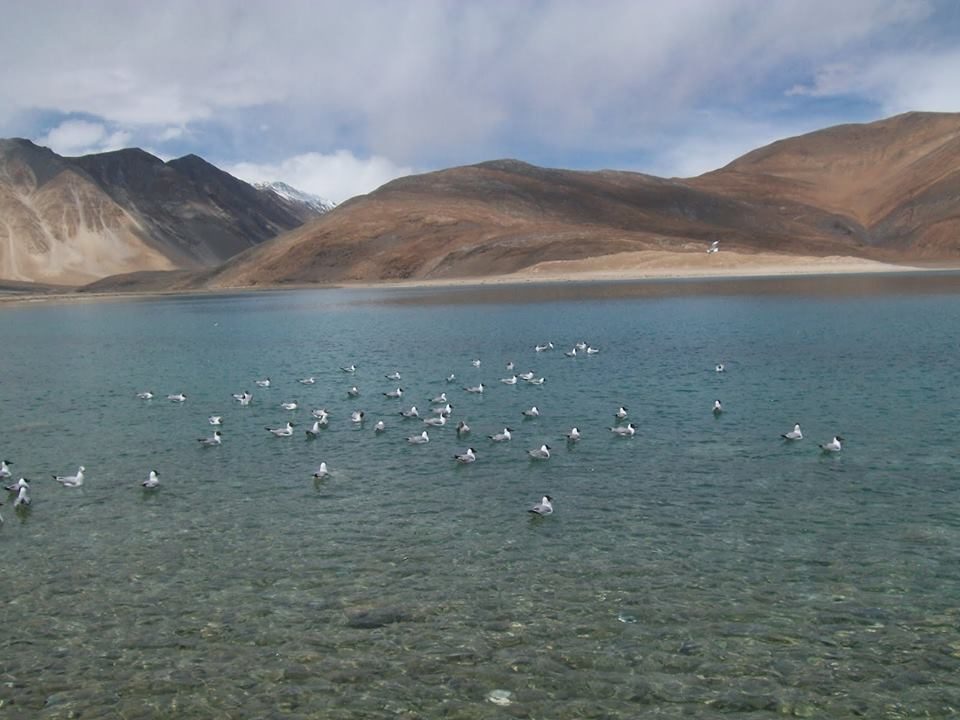
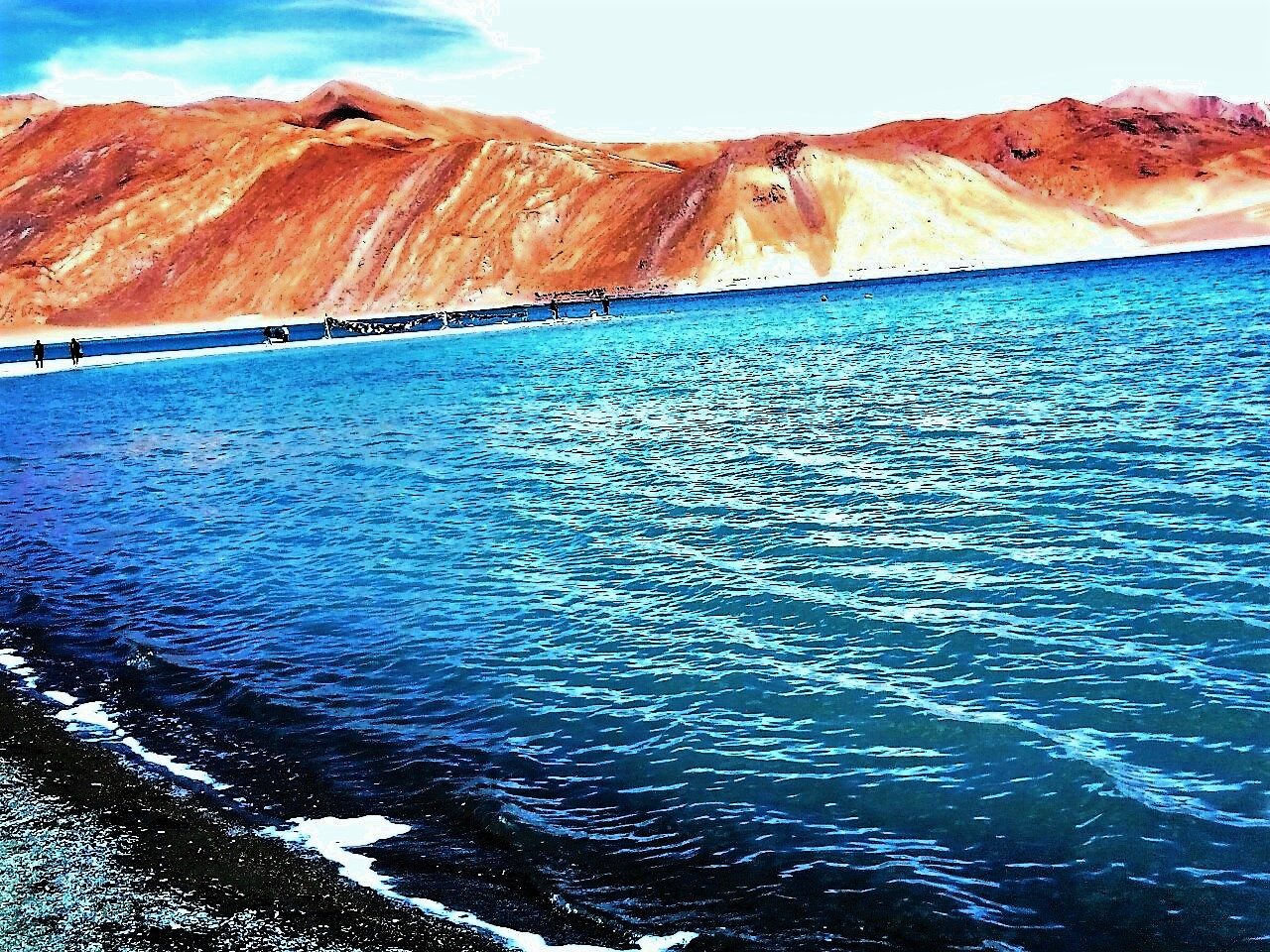
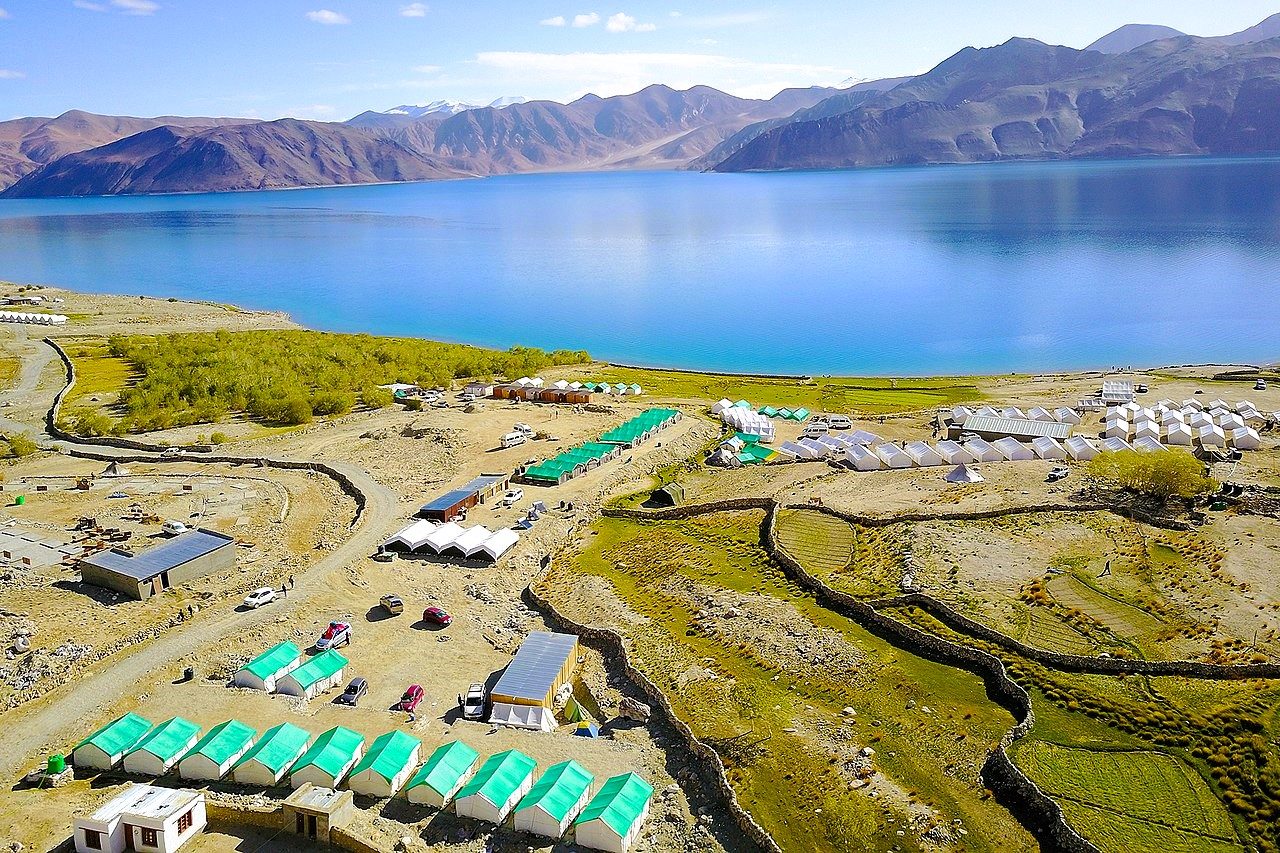
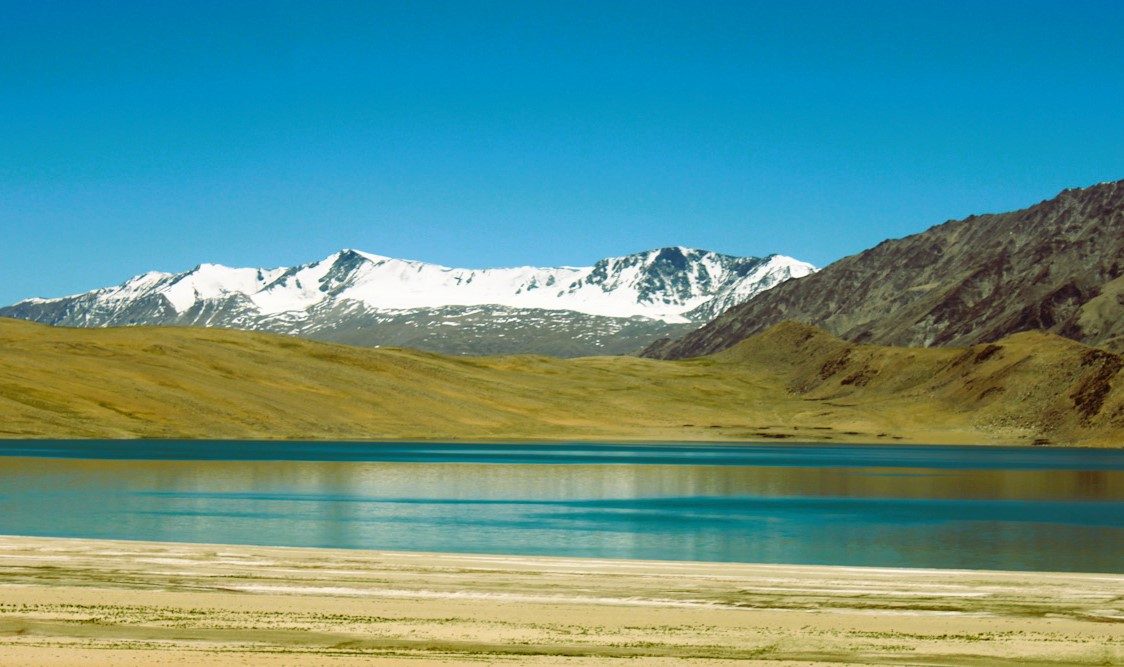
Few sights in the Himalayas compare with the first view of Pangong Tso. This long, narrow lake stretches for around 134 kilometres from eastern Ladakh into Tibet, and its brackish water shifts through shades of turquoise, cobalt and grey as the clouds pass and the sun moves across the sky. In winter it freezes completely.
Most travellers reach the lake over Chang La, another pass of more than 5,000 metres, or, when the road is open, directly from Nubra along the Shyok river. Staying overnight by the shore lets you see the lake at sunset and again in the stillness of early morning, when it is at its most beautiful. Accommodation here is simpler than in Leh, mostly comfortable camps and cottages, and we choose the best available for you.
V · The Sham Valley
Around 3,100 metres
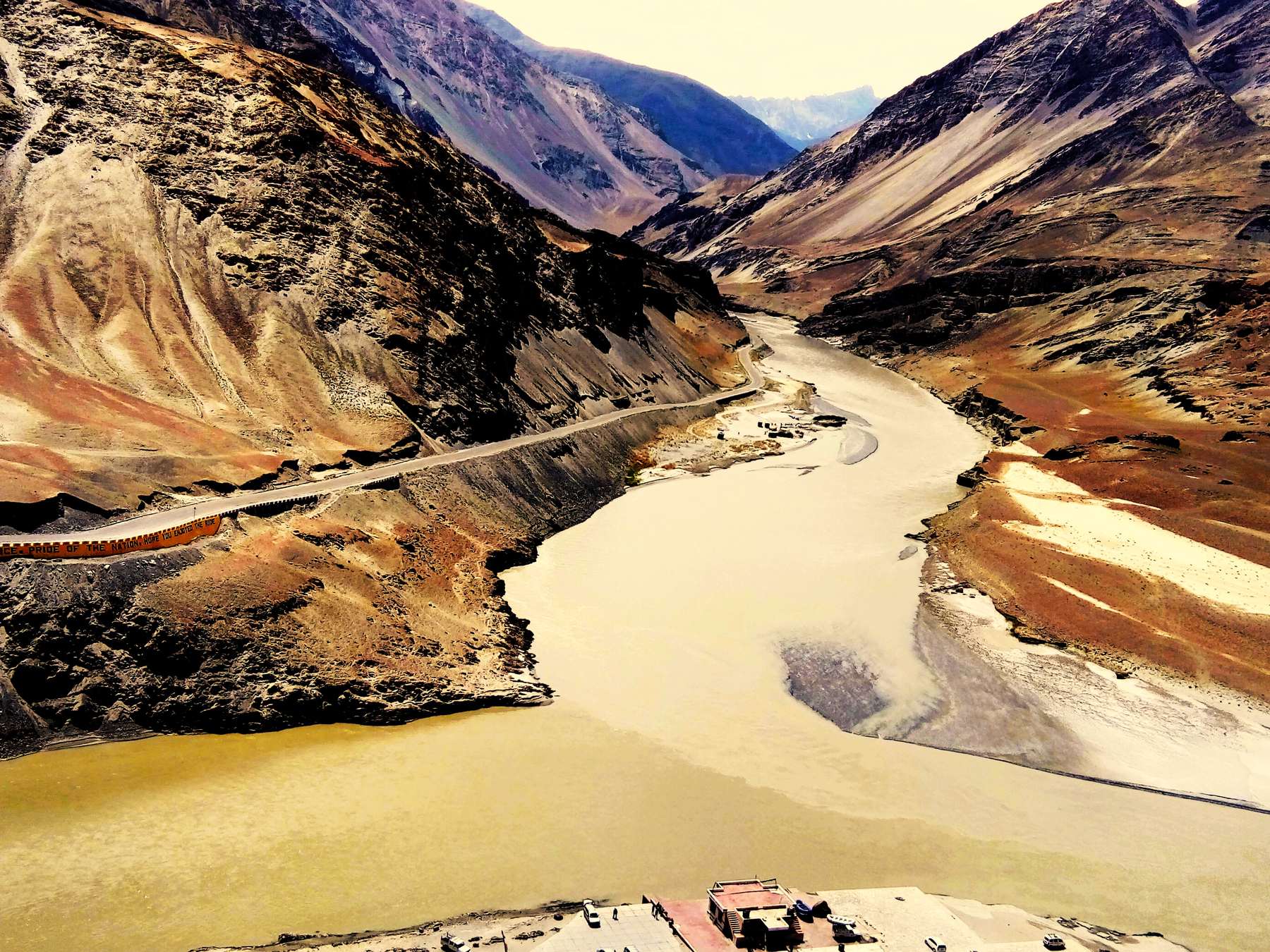
West of Leh, the Indus flows through the gentler Sham Valley, where villages of whitewashed houses sit among barley fields and apricot orchards. At Nimmu, the green waters of the Indus meet the Zanskar river, and nearby Basgo preserves the ruins of an old royal fort and temples.
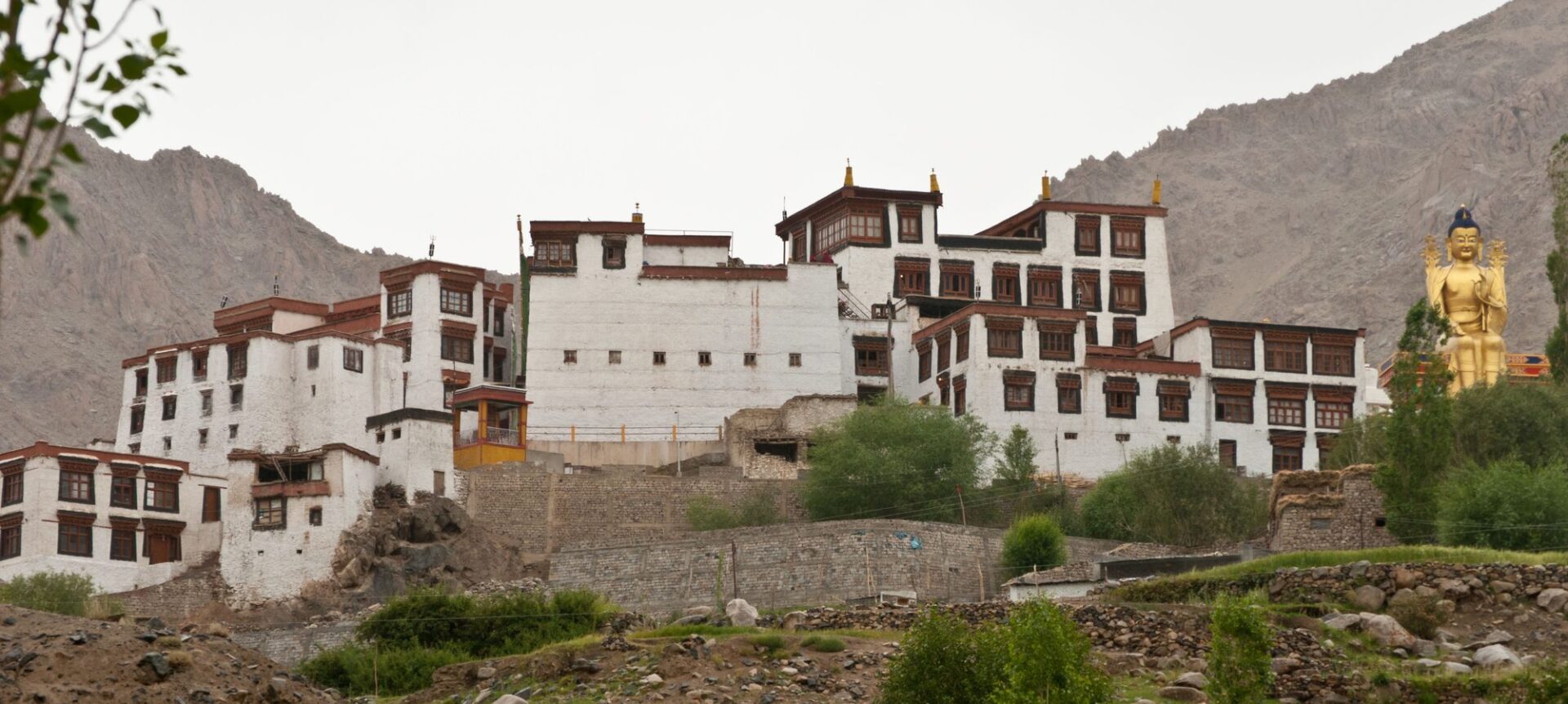
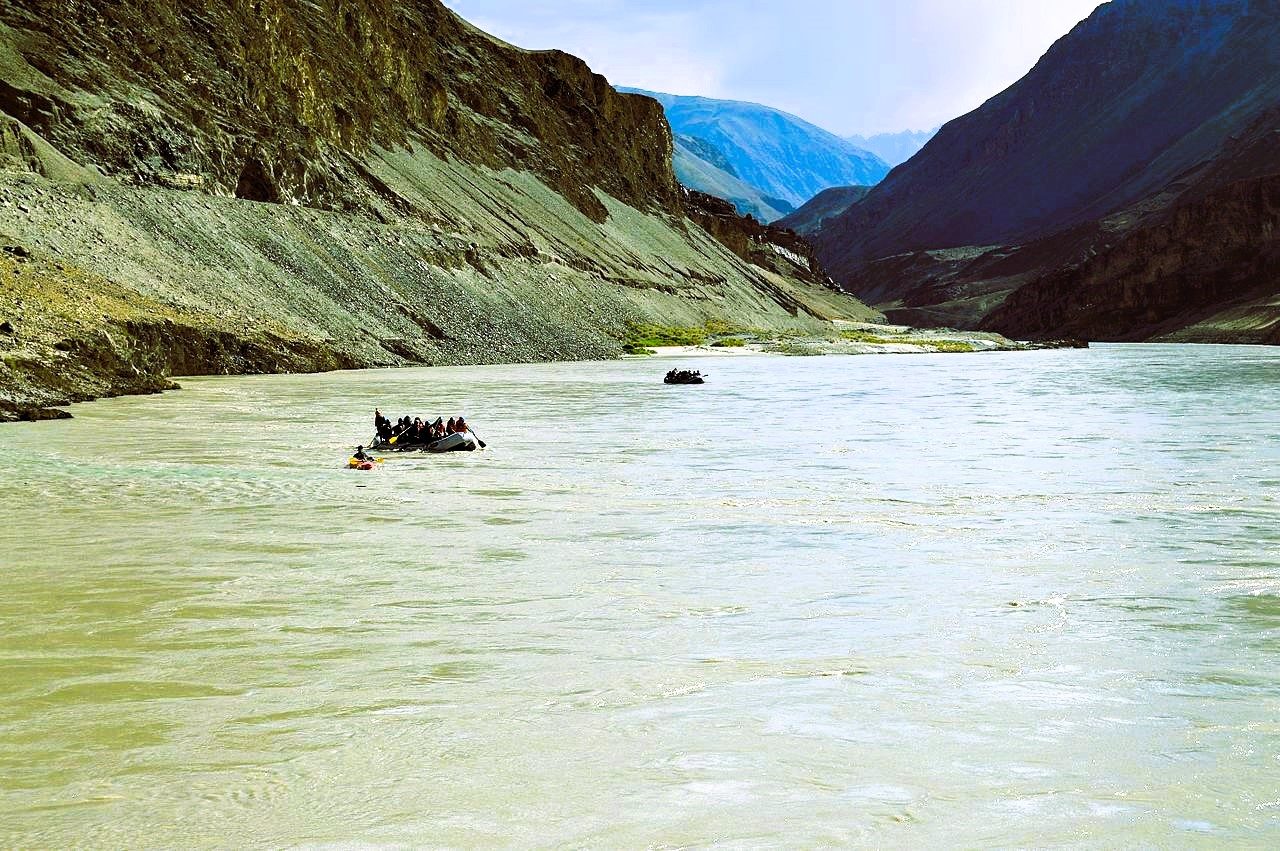
The small temple complex at Alchi is one of Ladakh’s great treasures: its murals and painted wooden carvings are traditionally associated with the 11th century and are among the oldest surviving Buddhist art in the region. Likir monastery, with its large golden statue of Maitreya, overlooks the valley. It is a peaceful place to end your journey, with village walks, a home-cooked Ladakhi meal and, for the energetic, rafting on the Indus in season.
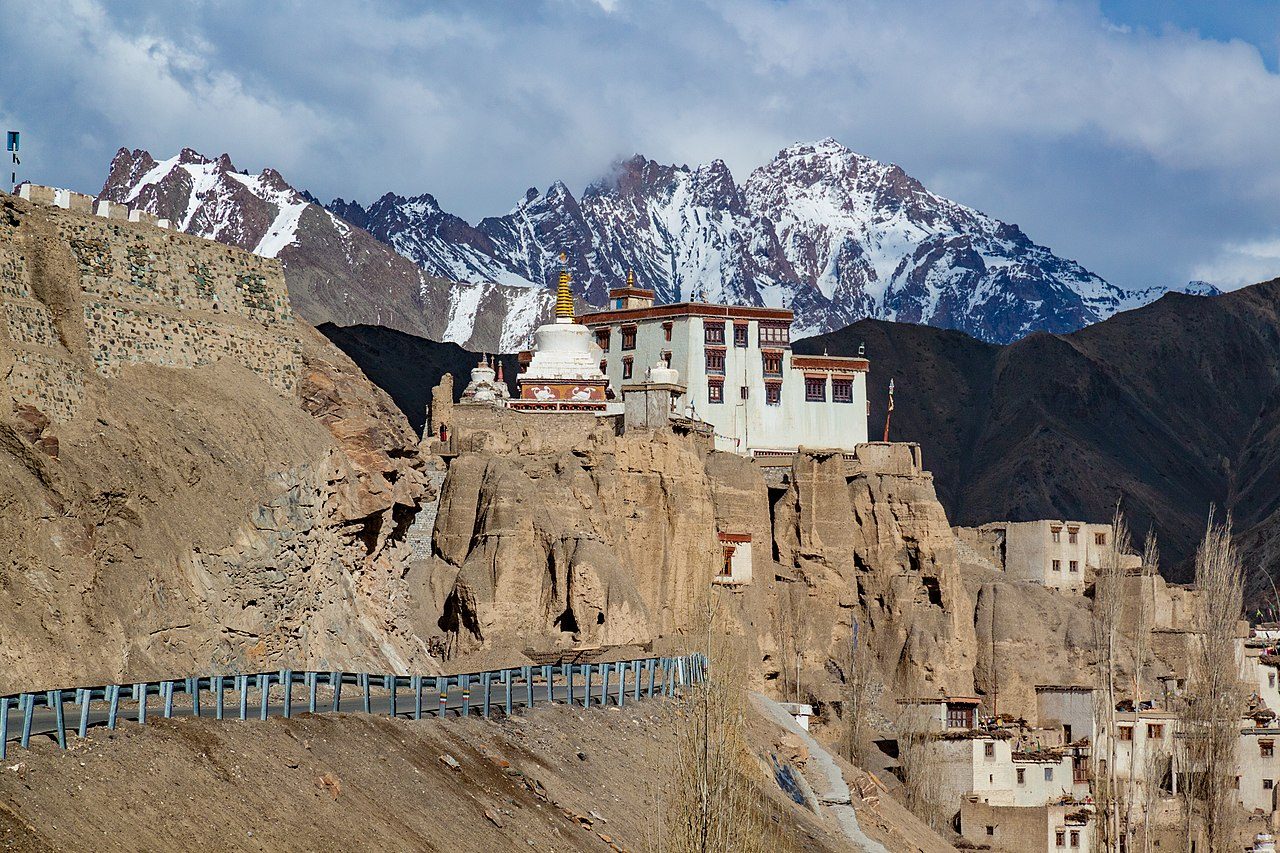
Want to go further west? Lamayuru monastery and its eroded “moonland” landscape can be added on a longer day or an extra night.
Planning note on altitude: most of Ladakh lies above 3,000 metres, and altitude affects everyone differently, whatever their fitness. We build every journey around gradual acclimatisation: rest on arrival, easy first days in Leh, short stops on the high passes and the highest night only after you have adjusted. Please consult your doctor before booking, especially if you have heart, lung or blood-pressure conditions, and tell us about any health concerns so we can plan accordingly. Morning flights out of Leh can occasionally be affected by weather, so we recommend a buffer before onward international flights.
Sample itinerary
One way your journey could unfold, paced for the altitude. Every day can be changed: add rest days, slow the pace, swap places or add a festival, trek or wildlife stay.
You are met at Leh airport and driven to your hotel. The rest of the day is for resting and drinking plenty of water while your body adjusts to the altitude.
Overnight: Leh
A slow morning, then an unhurried walk through the old town and bazaar with your guide. Visit Leh Palace, and drive up to the Shanti Stupa for the evening light over the valley.
Overnight: Leh
An early start for morning prayers at Thiksey, then Shey Palace and Hemis Monastery, with lunch in the valley. Return to Leh in the afternoon.
Overnight: Leh, or a camp near Thiksey in summer
Drive over Khardung La, pausing briefly at the top, and descend into Nubra Valley. Visit Diskit Monastery and the Maitreya statue, then the dunes at Hunder at sunset, with an optional Bactrian camel ride.
Overnight: Nubra Valley
A relaxed day in Nubra, with village walks and Samstanling Monastery, or a full-day excursion along the Shyok river to the Balti village of Turtuk.
Overnight: Nubra Valley
A long, scenic drive along the Shyok valley to Pangong Tso, when the road is open; otherwise we route you via Leh and Chang La. Arrive in time for the late-afternoon colours on the lake.
Overnight: lakeside camp or cottage, Pangong Tso
Early morning by the still lake, then drive back over Chang La to Leh, stopping at villages along the way. An evening at leisure.
Overnight: Leh
Drive west past the confluence of the Indus and Zanskar rivers and the ruins of Basgo to Likir Monastery, then on to the ancient temples of Alchi.
Overnight: Sham Valley, for example at Nimmu or Alchi
A walk through orchards and fields, a home-cooked meal with a Ladakhi family, or an optional excursion to Lamayuru. In summer, rafting on the Indus is possible for the adventurous.
Overnight: Sham Valley or Leh
Transfer to Leh airport for your morning flight to Delhi, or continue to another chapter of your journey in India, Nepal or Bhutan.
Buddhist Ladakh
Ladakh’s monasteries are living communities, not museums. Monks still study, pray and perform rituals here as they have for centuries, and visitors are welcome to observe with respect. We help you experience this side of Ladakh at the depth that suits you.
An early morning
Sit quietly at the back of the assembly hall at Thiksey or another monastery as the monks chant, with long horns, drums and butter tea served during the prayers.
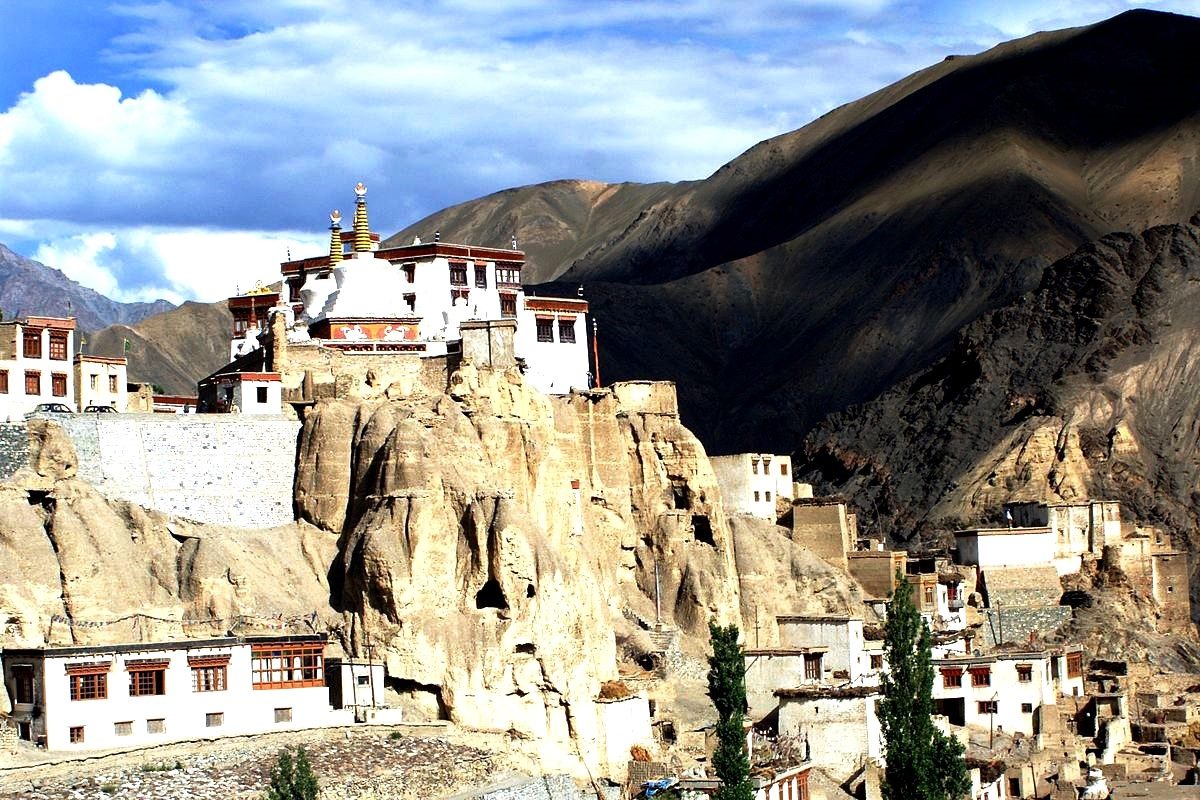
An hour or more
Where available, we can arrange an introduction to meditation or a conversation about Buddhist practice and monastery life, with an experienced guide translating where needed.

On festival dates
Masked cham dances, music and crowds of local families in their finest clothes. Plan your journey around Hemis Tsechu in summer or one of the winter festivals.
Living culture and traditions
Ladakhi traditions remain strong in its villages and monasteries. We introduce them with care, through small, unhurried encounters rather than staged spectacles.
At monastery festivals, monks in brocade robes and painted masks perform cham, sacred dances that tell of the triumph of good over evil, accompanied by horns, drums and cymbals.
Warming food for the high mountains: thukpa noodle soup, momos, skyu and other hearty dishes, roasted barley flour called tsampa, butter tea, and apricots in every form in late summer.
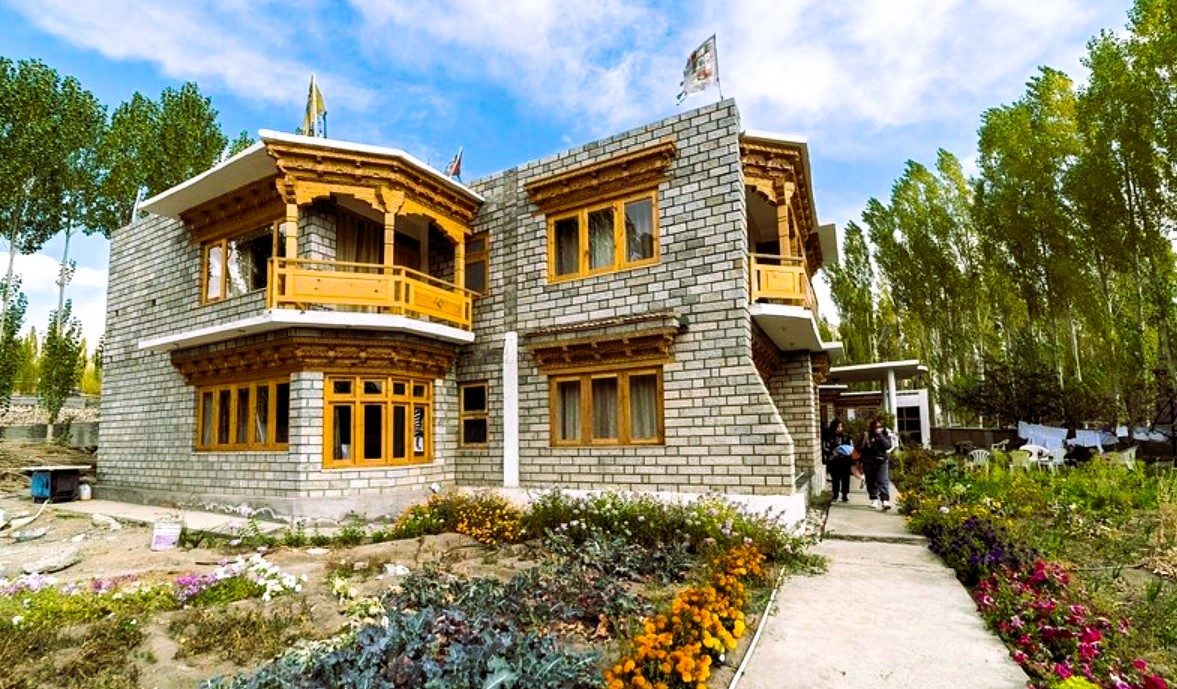
Visit traditional homes with their large kitchens, walk through barley fields and orchards, and see how villages manage precious glacier water in a high, dry land.
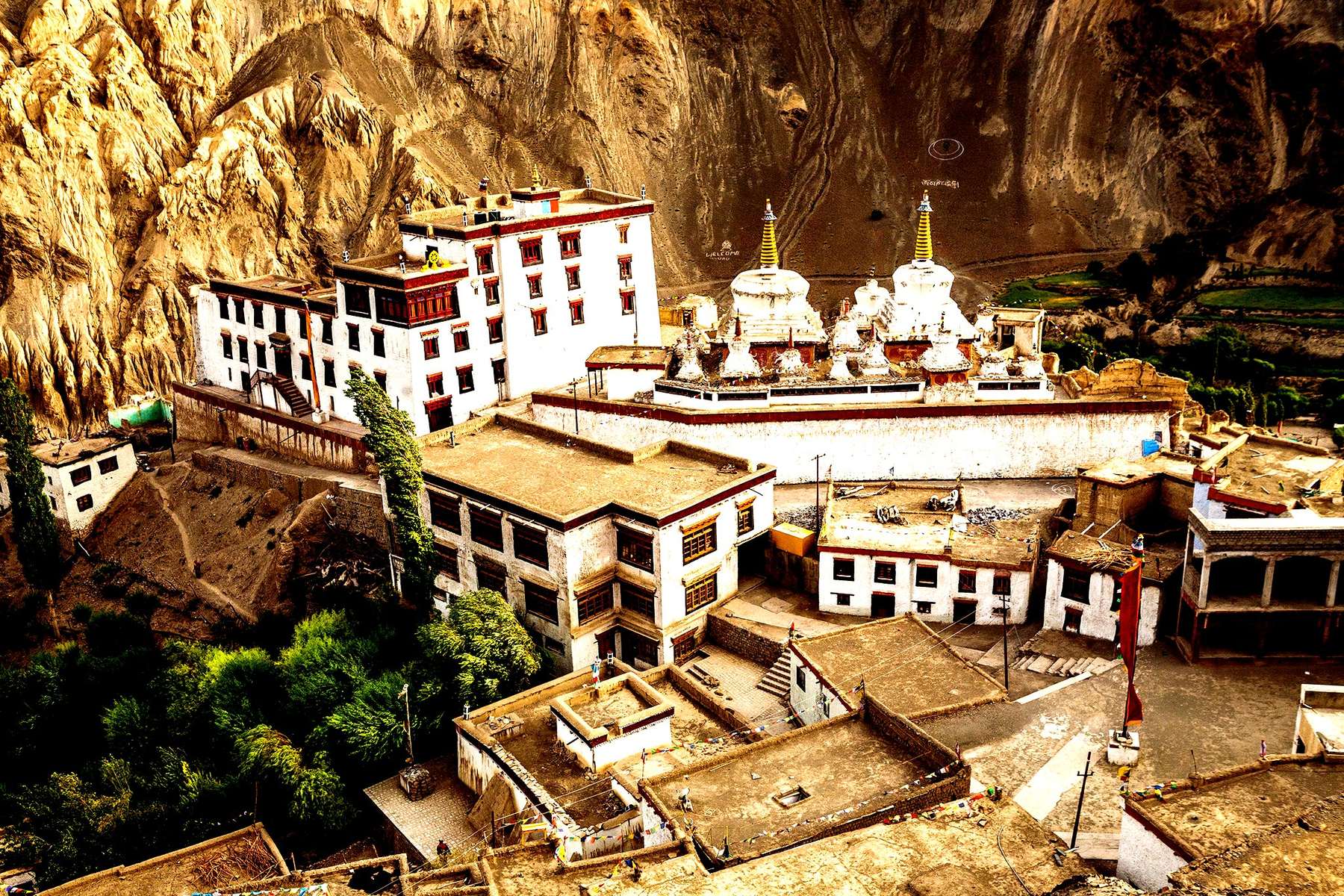
Murals, statues, mandalas and thangka paintings fill the monasteries, from the ancient temples of Alchi to the great assembly halls of Thiksey and Hemis.

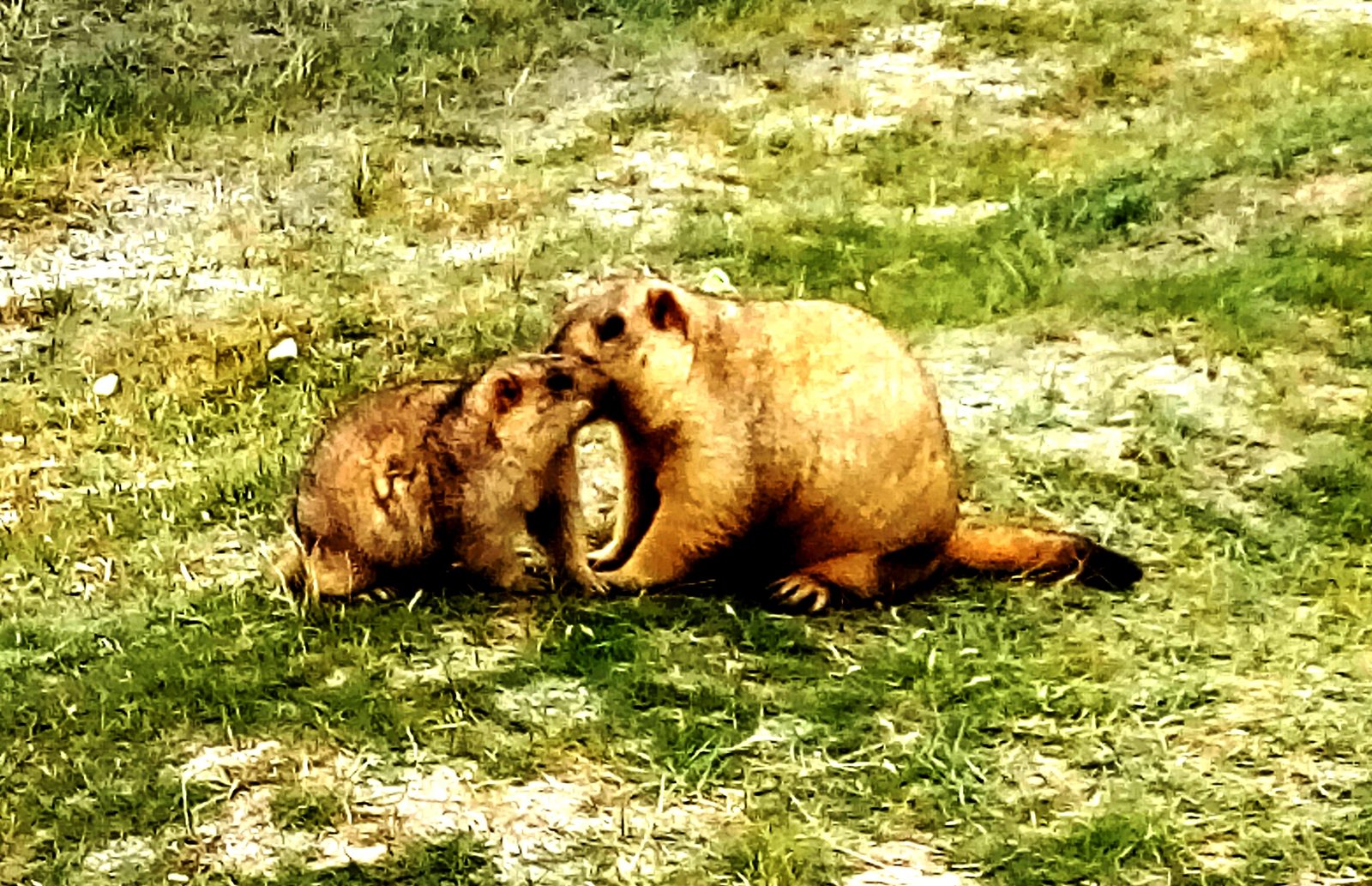
Ladakh is mainly Buddhist around Leh, but also home to Muslim communities, the Balti villages of Nubra such as Turtuk, and the nomadic herders of the Changthang plateau.
Hemis Tsechu usually falls in June or July, and several other monasteries hold their own festivals in summer and winter. Ladakhi Losar, the new year, is celebrated in winter. Dates follow the Tibetan lunar calendar, so we confirm them when we plan your journey.
Beyond the classic route
These places are not part of our sample route, but can be built into your tailor-made journey according to your interests, the season and the time you have.
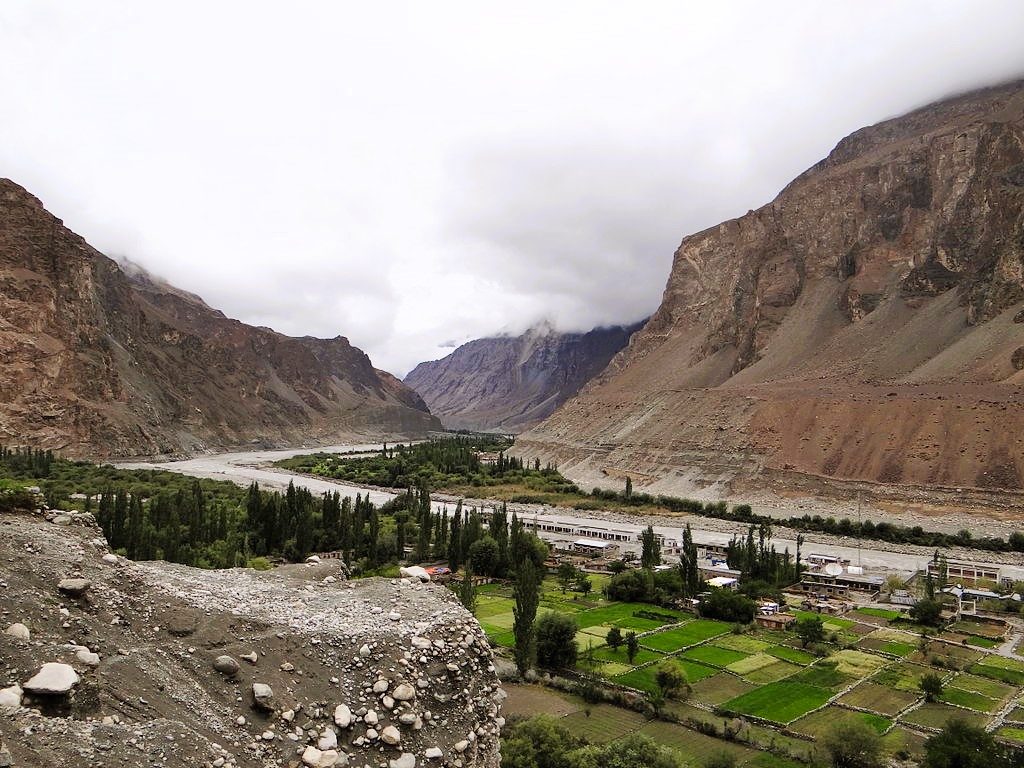 Optional additionTurtukAt the far end of the Nubra road, the Balti village of Turtuk has stone houses, apricot orchards and a culture quite different from Buddhist Ladakh.Ask us about Turtuk →
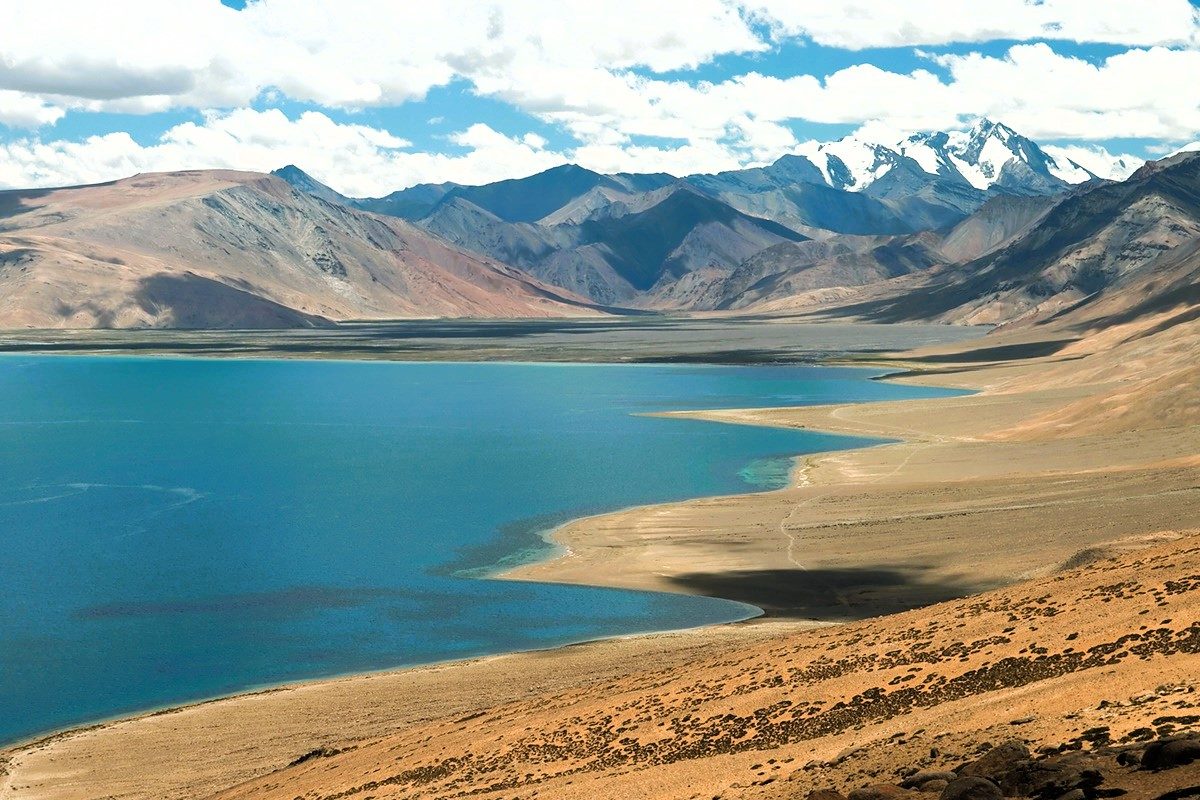 Optional additionTso MoririA remote high-altitude lake in the south-east, beside the village of Korzok and its monastery, for travellers who have already acclimatised well.Ask us about Tso Moriri →
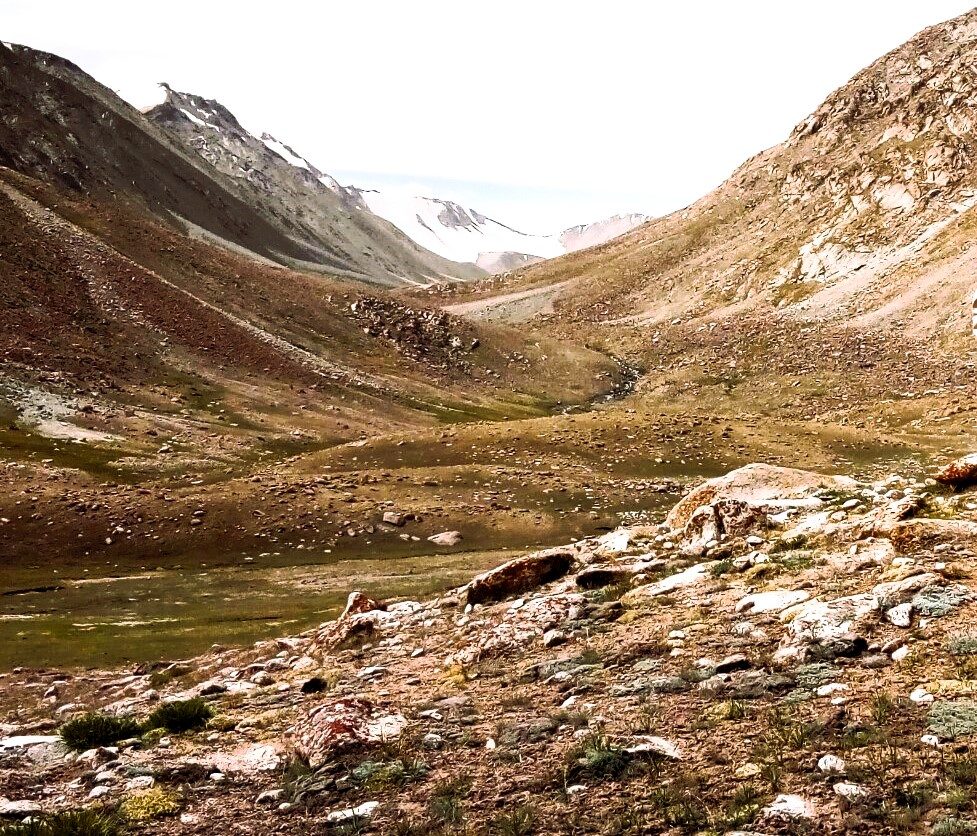 Optional additionHanle and the night skyOn the Changthang plateau, Hanle is home to India’s first dark sky reserve, an extraordinary place for stargazing far from any city lights.Ask us about stargazing →Optional additionLamayuru and Dah-HanuLamayuru monastery above its eroded “moonland”, and the villages of Dah and Hanu, home to the Brokpa community and their distinctive traditions.Explore western Ladakh with us →Winter journeySnow leopardsFrom around December to March, expert trackers search the valleys of Hemis National Park and around Ulley for snow leopards. Sightings are never guaranteed, but the experience is unforgettable.Ask us about a winter journey →Yoga in the HimalayasLooking for a slower, more reflective journey in the mountains? Discover our Himalayan yoga and wellness tour.See the Himalayan wellness tour →
Read more on our blog: the lakes of Ladakh · hidden gems of Ladakh · Ladakh for families
Signature experiences
A few of the experiences you can build into your journey. All are optional and depend on season, road conditions and availability.
A journey designed around you
The Ladakh Enlightenment Tour does not have to follow a set itinerary. Tell us what you enjoy, how much time you have and how you like to travel. Our team then designs the route, the hotels and the experiences, plans the pace around the altitude, and refines the plan with you until it feels right.
Journeys can be planned for couples, families, friends travelling together and private groups. If you have other wishes, ask us: we will tell you honestly what can and cannot be arranged in the mountains.
Ideal for
Where you stay
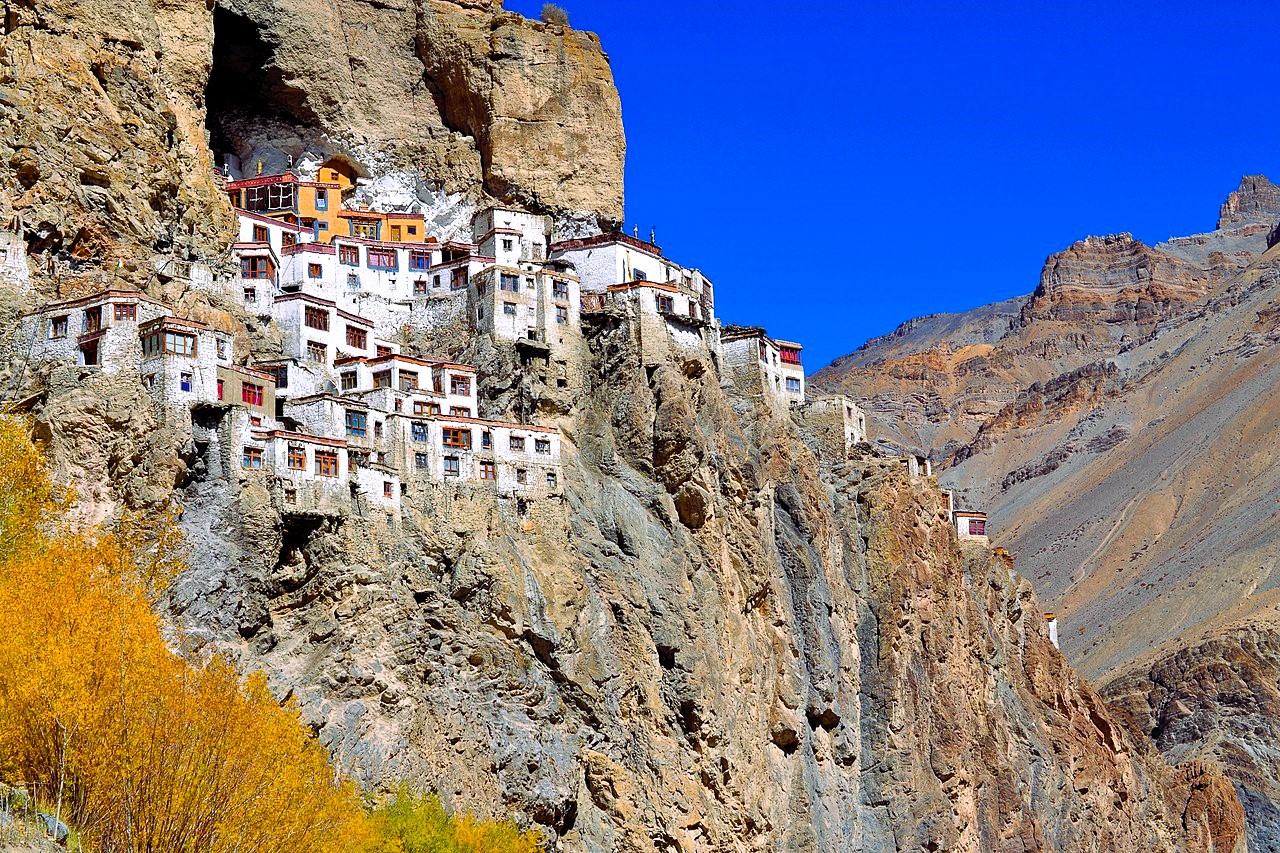
Ladakh’s most memorable stays are small and full of character: restored noble houses, palace rooms, eco-retreats built from local materials and luxurious seasonal camps. We recommend accommodation for its setting, comfort and how well it suits your journey and budget, and usually do not use hotels below 3-star or equivalent standard where such options exist. In remote places such as Pangong Tso, choices are simpler, and we always select the best available.
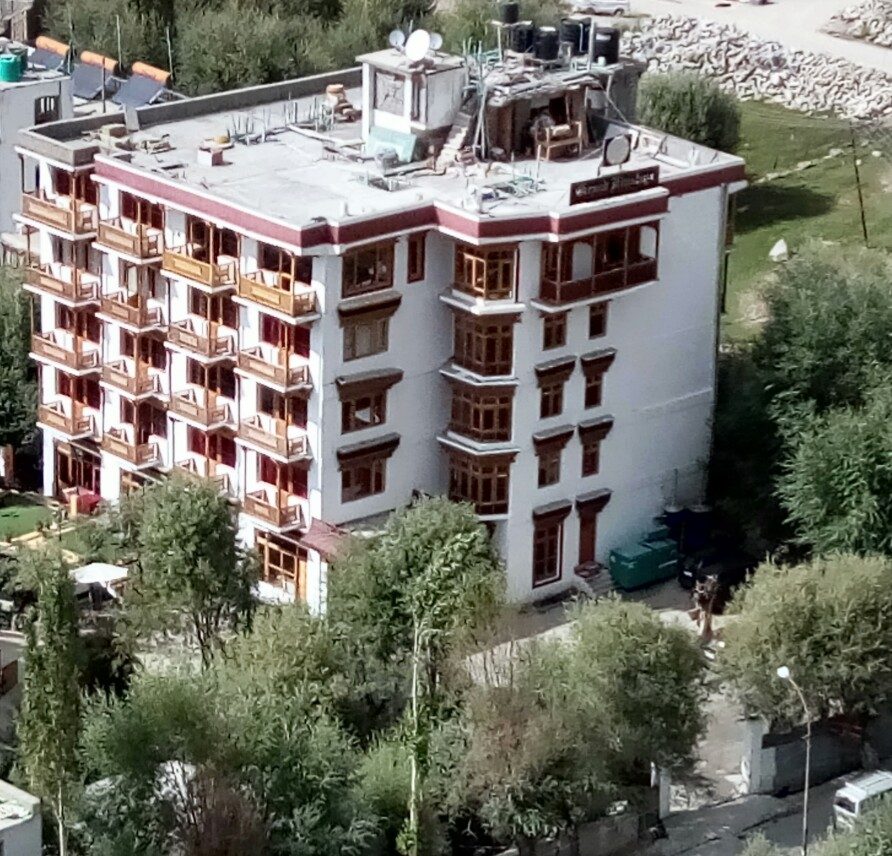
Hotels named here are examples only. Many properties in Ladakh open only in the main season; your final selection depends on your dates, preferences and availability.
What your journey usually includes
Every proposal is personal, so your exact inclusions are confirmed in writing before you book. A private Ladakh journey normally includes the following.
Private Ladakh journeys start from US$100 per person per day, based on two people sharing a room. This is our lowest starting level: the final price depends on the hotels, camps, season and experiences you choose. Quotes are given in US dollars, euros or British pounds.
When to go
Ladakh’s travel season is the reverse of much of India. Sheltered from the monsoon by the high mountains, it is at its best in summer, while winters are long and very cold.
May to June
Clear skies, snow still on the peaks and cool evenings. Hotels and camps open for the season, and the Hemis Tsechu festival often falls in June or early July.
July to August
The warmest months, with green villages and long days, ideal for the lakes and passes. The busiest time of year, so we plan early and choose quieter moments for the main sights.
September to early October
Crisp, clear weather, golden poplars and barley harvests, and fewer visitors. Nights turn cold, and some seasonal camps close by the end of September or early October.
November to April
Very cold, with many hotels closed, but Leh remains reachable by air. A special season for snow leopard journeys, frozen landscapes and winter monastery festivals, for well-prepared travellers.
Our recommendation: for a first visit, June to September offers the most comfortable conditions and the widest choice of stays. If you are combining Ladakh with the plains of North India, early summer or September usually work best, and Ladakh pairs beautifully with Kerala, Nepal or Bhutan at other times of your journey.
Extend your Ladakh journey
Most journeys to Ladakh pass through Delhi, which makes it easy to combine with the rest of India and with the Himalayan kingdoms of Nepal and Bhutan. These are examples of what we can design, not fixed packages.
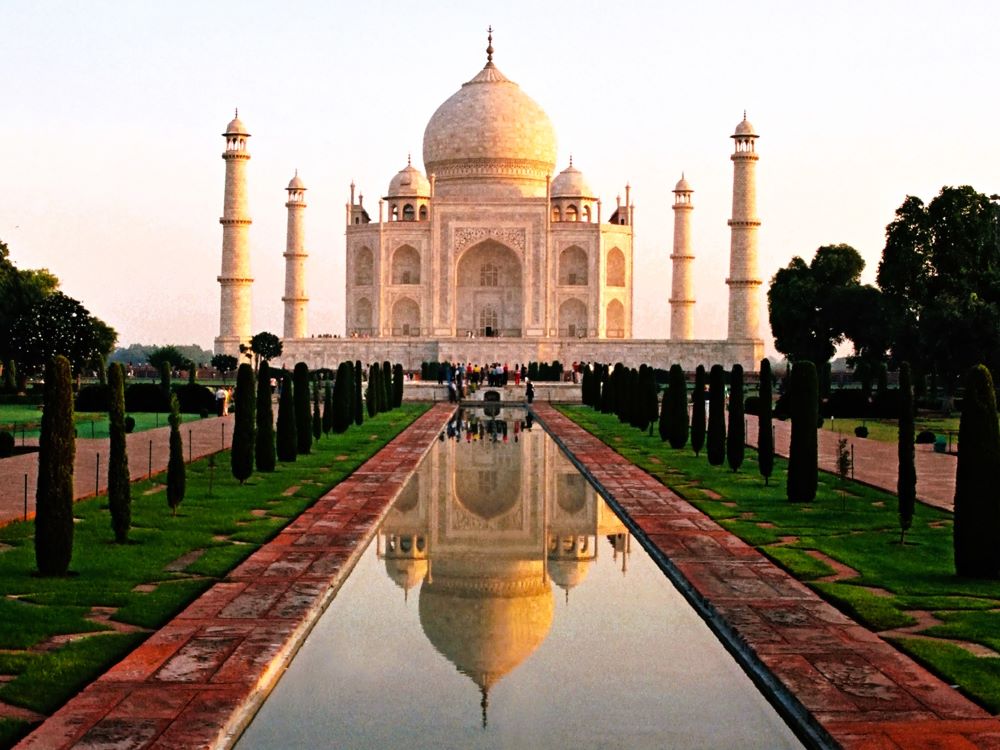 Golden Triangle + LadakhBegin with Delhi, the Taj Mahal in Agra and Jaipur, then fly from Delhi to Leh for the mountains and monasteries. A wonderful contrast for a first visit to India.
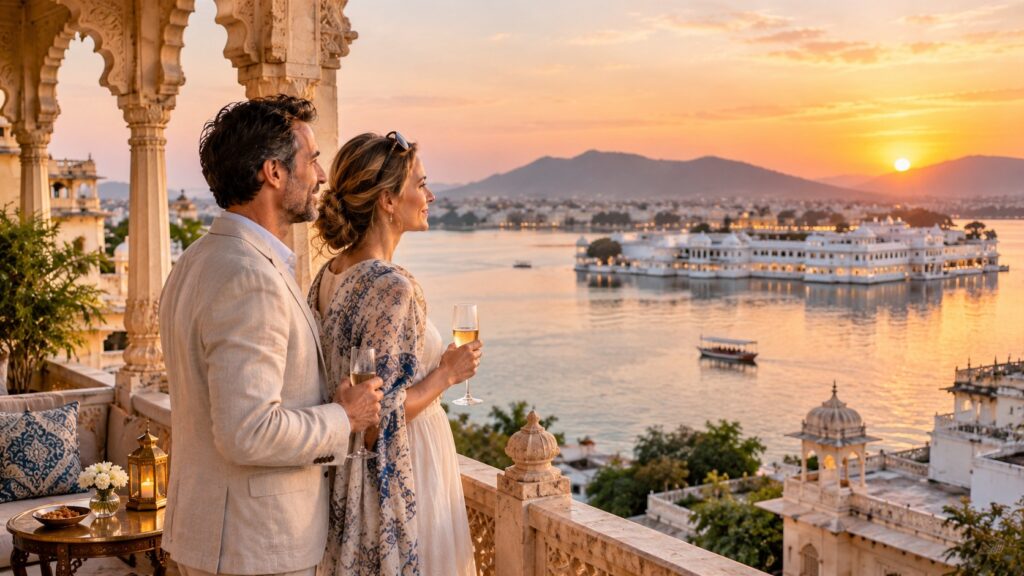 Rajasthan + LadakhDesert forts and palaces, then the high desert of the Himalayas, best planned in the shoulder months.
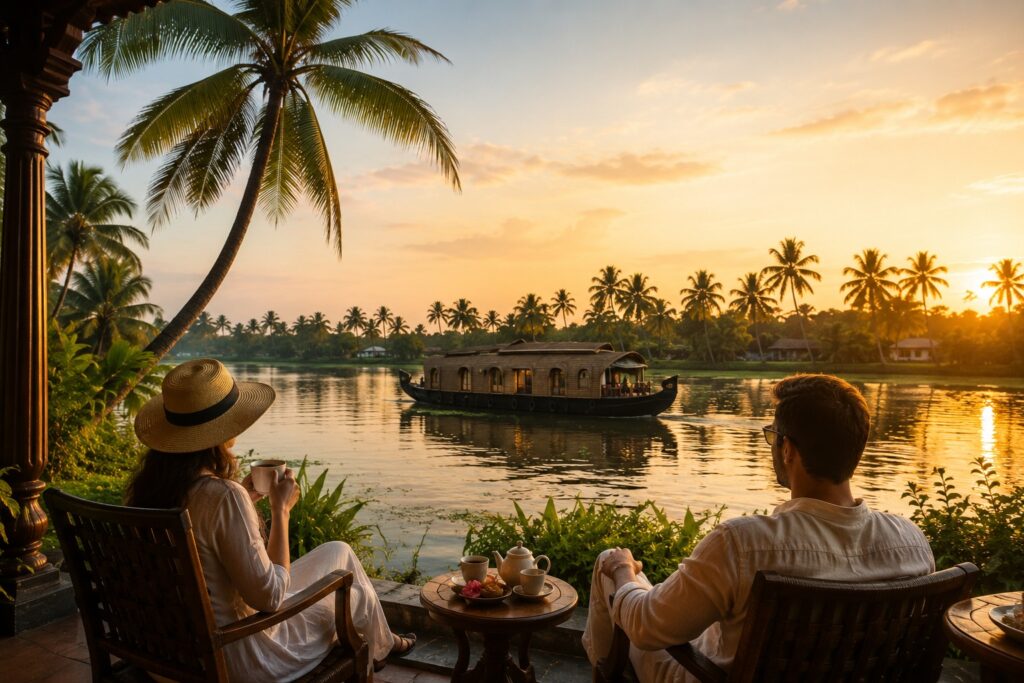 Ladakh + KeralaFrom the high mountains to the backwaters, tea hills and Ayurveda of the south: two very different faces of India.
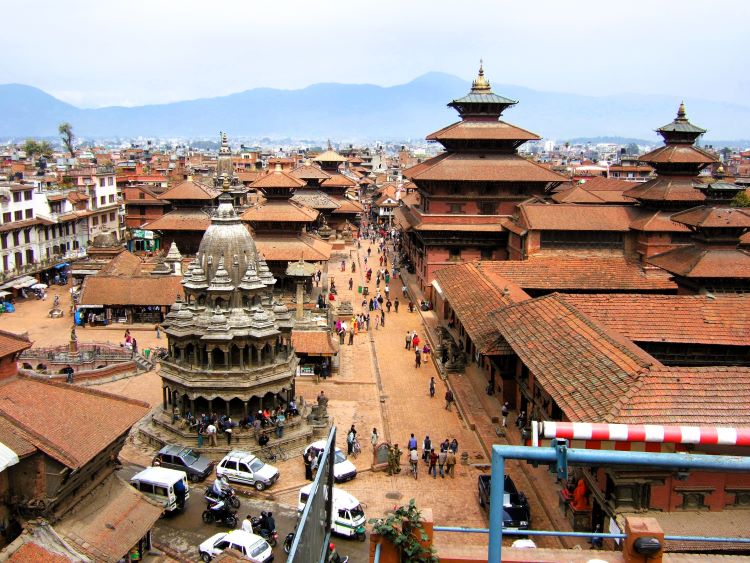 Ladakh + NepalContinue to Kathmandu for the temples and royal squares of the Kathmandu Valley and more Himalayan views.
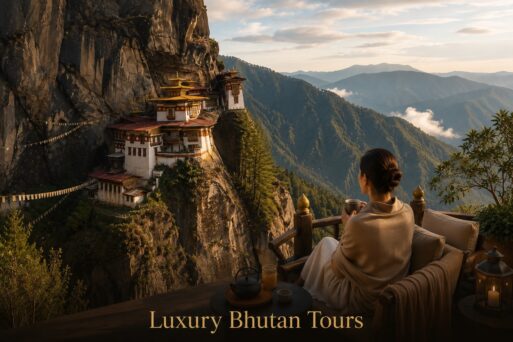 Ladakh + BhutanPair Ladakh’s monasteries with the dzongs, valleys and living Buddhist culture of the Himalayan kingdom of Bhutan.
Why travel with Excursion2India
We design private journeys across India, Nepal and Bhutan, and have been planning journeys under the Excursion2India name since 2007.
No fixed departures and no group coaches. Each itinerary is planned around your interests, available time and budget.
We plan Ladakh journeys around acclimatisation, road conditions and the seasons, so you can enjoy the high country in comfort.
Combine Ladakh with the rest of India, Nepal, Bhutan or all three in one seamless journey, organised by the same people from start to finish.
You receive a WhatsApp number to stay in touch with our team, and the names and numbers of each day’s local contacts.
We reply to every enquiry within 24 hours, then refine your plan with you until every detail feels right.
What our guests say
Questions
Ladakh combines some of the most dramatic mountain scenery in the Himalayas with a living Tibetan Buddhist culture. In one journey you can see centuries-old monasteries such as Thiksey, Hemis and Alchi, cross high mountain passes, stay among the dunes of Nubra Valley and watch the colours change on Pangong Tso, while staying in heritage houses, boutique hotels and fine seasonal camps.
We suggest around 8 to 12 days. This allows one or two easy days in Leh to adjust to the altitude, visits to the Indus Valley monasteries, Nubra Valley, Pangong Tso and the Sham Valley at a comfortable pace. Add more time for Turtuk, Tso Moriri, Hanle, a festival or a trek.
The main season is May to September, when the weather is generally clear and dry, the roads to the valleys and lakes are usually open and most hotels and camps are operating. July and August are the warmest and busiest months; September brings golden autumn colours and fewer visitors. Winter, from November to April, is very cold, but Leh remains reachable by air and it is the season for snow leopard journeys.
Leh lies at around 3,500 metres, and the passes you cross are higher still. We plan every journey for gradual acclimatisation, with rest on arrival, easy first days, short stops on the passes and the highest night only after several days in Ladakh. Drink plenty of water, avoid alcohol at first and tell your guide if you feel unwell. Please consult your doctor before booking, especially if you have heart, lung or blood-pressure conditions.
Many older travellers and families enjoy Ladakh, provided they are in reasonable health and take the altitude seriously. A private journey can be adapted with more rest days, shorter drives and lower overnight stays. We recommend that everyone, and especially families with young children or travellers with medical conditions, discuss the trip with their doctor first.
Leh and the main highways do not require a permit, but Nubra Valley, Pangong Tso, Tso Moriri, Hanle and other areas near the border do. Foreign nationals need a Protected Area Permit, and Indian citizens complete their own registration. Rules are reviewed from time to time, so we check the current requirements and arrange the necessary permits for you.
Private Ladakh journeys with Excursion2India start from US$100 per person per day, based on two people sharing a room. This is our lowest starting level. The final price depends on the hotels and camps, the season, the length of stay and the experiences you choose, and every quote is personal, given in US dollars, euros or British pounds.
It is private. You travel only with your own companions, with a private car, an experienced mountain driver and local guides for sightseeing. We do not run fixed group departures.
Yes. Every Excursion2India journey is tailor-made. You choose the places, duration, pace, hotels and experiences, and we refine the plan with you until it suits you.
A night by the lake lets you see Pangong Tso at sunset and early morning, which many travellers find the highlight of their journey. It is also the highest night of the trip, at around 4,250 metres, and accommodation there is simpler than in Leh. If you prefer, you can visit the lake on a long day trip from Leh and sleep lower. We will advise what suits you best.
We recommend heritage houses, boutique hotels, palace rooms and fine seasonal camps according to your preferences and budget, and usually do not use hotels below 3-star or equivalent standard where such options exist. In remote areas such as Pangong Tso the choice is simpler, and we select the best available. Examples we can include are Stok Palace Heritage Hotel, Chamba Camp Thiksey, Lchang Nang Retreat and Nimmu House, subject to season and availability.
Most travellers fly to Leh, with flights from Delhi and other Indian cities. Ladakh can also be reached by road from Manali or Srinagar in the summer months, over high passes that take two days or more, which we can arrange for travellers who are already well acclimatised. We can book your domestic flights on request.
Yes. Delhi is the usual gateway to Leh, so Ladakh combines easily with Delhi, Agra and Jaipur, with Rajasthan or with Kerala. Because Ladakh’s season is the summer, we plan the order and timing carefully. See our luxury Golden Triangle tour, luxury Rajasthan tour and luxury Kerala tour.
Yes. We can arrange a single journey across India and the Himalayan kingdoms. See our sample India and Nepal and India and Bhutan itineraries, or our India, Nepal and Bhutan journey.
Tell us your approximate dates, how many days you have, who is travelling, your preferred hotel style and your interests, using our trip planning form, WhatsApp (+91 98753 10291) or our contact page. We reply within 24 hours with ideas, then send a personalised itinerary quoted in US dollars, euros or British pounds.
English is our main working language, and we can also look after French- and Spanish-speaking guests. With advance notice we can arrange guides and assistance for German, Russian and Korean speakers.
Most international visitors need a visa, and citizens of many countries can apply online for an Indian e-Visa. Requirements depend on your nationality, so please check the official website before you travel. Permits for Ladakh’s protected areas are separate from your visa, and we arrange them for you.
Plan your Ladakh journey
Share a few details and our destination specialists will create a private, personalised proposal for Ladakh and anywhere else you would like to go. It is the start of a conversation, not a booking.
From US$100 per person per day, two sharing. We reply within 24 hours. Quotes in USD, EUR or GBP.